GLOBAL ORGANIC TEXTILE STANDARD
ECOLOGY & SOCIAL RESPONSIBILITY

Regenerative is Organic

Regenerative is Organic

by Jeffrey Thimm, GOTS Organic Production Specialist

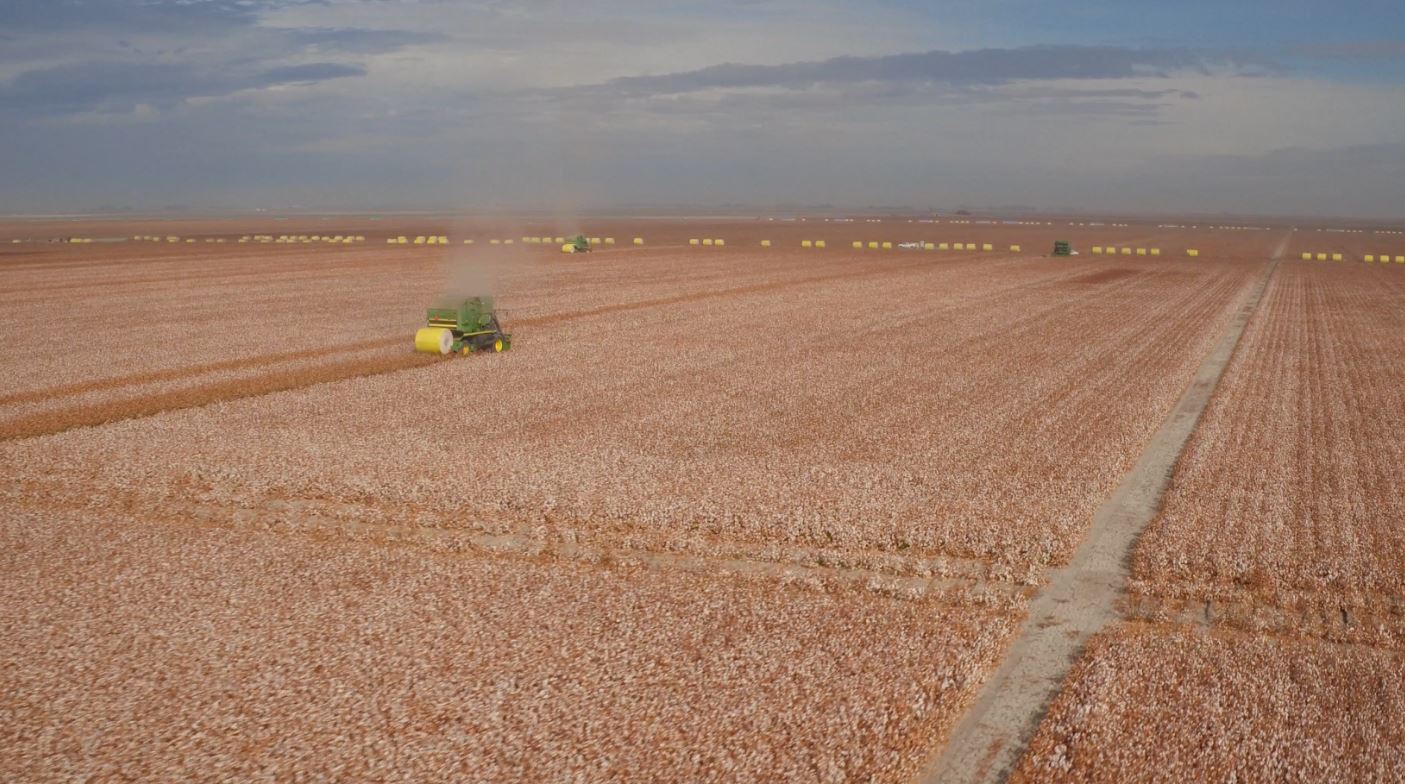
As the importance of sustainability comes more into focus for the textile sector – whether for legal compliance or market demand by conscientious consumers – more concerted efforts are commendably being made by actors across the value chain to source fibres that are produced and processed in socially and ecologically responsible ways. Furthermore, the necessity of traceability to validate claims of sustainability has been well established. But with the plethora of voluntary sustainability standards emerging, it’s worth strengthening our conceptual frameworks and taking a closer look at what constitutes the lofty pursuit of “regenerative agriculture”.

REGENERATIVE AGRICULTURE IS NOT A NEW CONCEPT -
IT HAS BEEN A CENTRAL PILLAR OF SUSTAINABLE AGRICULTURE SYSTEMS ACROSS THE GLOBE AND HUMAN HISTORY, FOR WHICH STRATEGIES AND METHODS HAVE BEEN EVOLVING WITH THE DISTINCT AIM OF INCREASING SOIL FERTILITY AND FOOD SECURITY.

The specific practices differ depending on ecological and social context, but regenerative agriculture is united in its purpose – to reverse soil degradation, improve agroecological resilience, and sustainably provide food, fiber and fuel. Aside from repairing and revitalizing degraded landscapes, it is now additionally tasked with halting and reversing greenhouse gas emissions and increasing resilience to climate change.
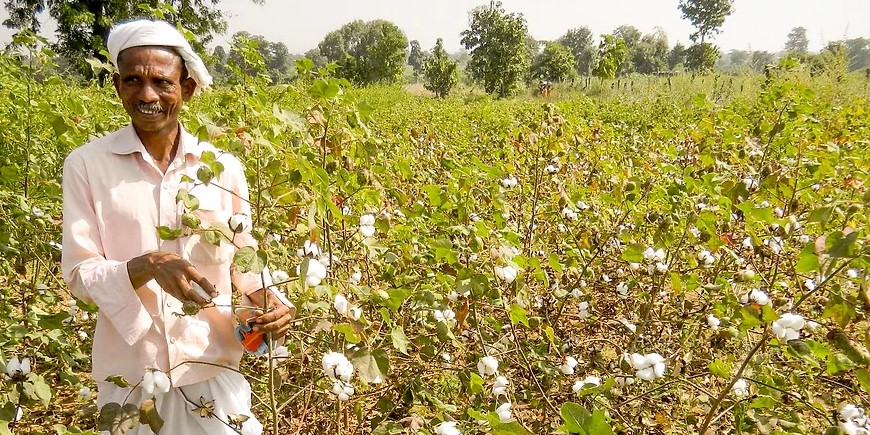
Fortunately, the rising interest in regenerative agriculture has also been illuminating the central role of the farmer in our global economy, and how our sourcing practices impact the sustainability of the very foundations of society. It’s not just about textiles and fibers, it’s also about our posture towards ethical commerce and our willingness to pay a fair price – more than a living wage – to value the livelihoods and communities at the source of our supply chains.

WE CANNOT AFFORD TO PAY LESS THAN THEIR TRUE WORTH.
AND AFTER CENTURIES OF EXPLOITATION, IT IS NOW REQUIRED TO REINVEST IN REVITALIZING AGRICULTURE IF WE WANT TO BE SUSTAINABLE.

The established, internationally regulated voluntary sustainability standard that already embodies the principles and aims of regenerative agriculture is Organic/Bio/Öko. With origins dating back over a century in the western world (inspired and informed by traditions dating back millennia), the global movement now represented by the International Federation of Organic Agriculture Movements (IFOAM) has built upon shared values and learnings to develop an evolving codification of production, verification and marketing norms. The concept of regenerative is embedded in the philosophy and practice of organic, because organic farm management is designed to protect and nurture the land, animals, and the farmers we all depend upon. Furthermore, the transition phase from conventional to organic, in-conversion, is itself a period of intentional revitalization.
So, are regenerative and organic synonymous terms? Some say yes, but technically, no.
Organic is a legally protected term, with codified and regulated management practices that are designed to uphold ecological and social welfare. Organic agriculture also has a clearly defined set of required practices, as well as permitted non-toxic pesticides and climate-friendly fertilizers that have been scientifically demonstrated to increase yields and resilience over time; regenerative practices like crop rotations, mulching and minimizing soil disturbance are staples in organic farming.

Conversely, regenerative is not a protected term and is therefore vulnerable to greenwashing (read the fine print). Regenerative standards typically have a defined set of measurable outcomes relating to carbon sequestration in soils, and the good ones even require demonstrated progress towards set targets (something that organic regulations do not yet include), but some allow dubious methods with short-term gains but inadvertent long-term losses.


AS LEADERS IN THE TEXTILE SECTOR, A CRUCIAL QUESTION TO ASK YOURSELF IS HOW TO DIFFERENTIATE BETWEEN AUTHENTIC REGENERATIVE AGRICULTURE, AND MERE IMITATION.


I OFFER YOU THIS:
Do the ends justify the means?
If the goal is to regenerate, how can we condone practices that are not themselves socially and ecologically regenerative? Can we in good conscience continue using synthetic herbicides, pesticides, fertilizers and GMOs and call it regenerative when the science has shown that, although they may appear to increase carbon capture in the short-term, they simultaneously erode long-term production capacity and undermine the ability of an ecosystem to abate and adapt to climate change?
Do the means justify the ends?
Can we in good conscience dogmatically adhere to a prescribed set of conventionalized practices and models, even when the consequences are demonstrably toxic to people and planet? Can we continue sourcing and manufacturing using practices that optimize short-term profit but are known to undermine the sustainability of the entire enterprise?
Coherence of principles, actions and targets is paramount.

THE GOAL IS THE WAY - THE WAY IS THE GOAL.

Read more …Regenerative is Organic

Case Study: Original Favorites

GOTS Case Study:
Original Favorites

Company Snapshot

Location: Denver
Years in operation: 8
Year you received GOTS certification: 2023
Number of employees: 6
Types of products: Wholesale T-shirts and Fleece Knitwear
Where can consumers find your products: https://originalfavorites.com/ 


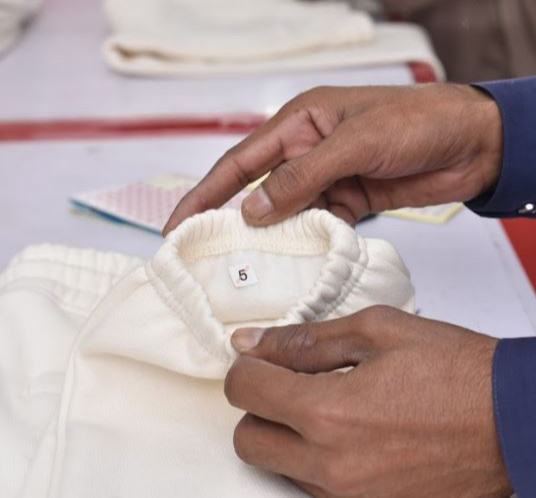
Original Favorites specialises in crafting luxury wholesale blank garments tailored for various businesses seeking premium blanks for customising and decorating. The company's product line encompasses an array of high-quality blanks, including sweats, t-shirts, and knit beanies. These garments are exclusively made from the finest materials such as Supima® cotton, Cashmere Merino Wool, and organic cotton fibres.


Sustainability Initiatives

Established in 2016, Original Favorites embarked on a mission to create luxury wholesale blank garments that combine an unwavering commitment to quality with a profound dedication to environmentally sustainable and ethically sound manufacturing. The journey commenced with a meticulous evaluation of raw materials, prioritising the utilisation of the world's finest natural fibres. An essential aspect of the company’s commitment to environmental stewardship includes considering both the land and the people involved in the cultivation process. This emphasis on ethical practices and sustainability spans the entire production process, ultimately guiding every decision.


Why GOTS Certification?


GOTS certification impeccably aligns with the company's core values and its enduring commitment to responsible and sustainable practices. Certification also assures the company and its clients that the strict and rigorous requirements of the Standard have been successfully undertaken. GOTS certification and label on final products acts as a significant value addition, attracting clients due to the authenticity, transparency, and credibility it offers.


Looking Ahead

Original Favorites aims to concentrate on educating and encouraging clients to demand proof from their suppliers, emphasising the importance of responsible and sustainable practices within the industry. Its recent GOTS certification serves as a testament to the company's unwavering commitment to quality, sustainability, and transparency, firmly establishing a high standard within the luxury wholesale blank garment sector. 


Read more …Case Study: Original Favorites

Case Study: Armstrong Knitting Mills

GOTS Case Study:
Armstrong Knitting Mills

Weaving Sustainability into Business with Armstrong Group
Armstrong Knitting Mills, a textile factory in India that’s been in operation since 1969, is a pioneer in sustainable textiles and business in the industry and is known for its commitment to sustainability, social responsibility, and innovation.


From Farm to Fashion

Armstrong Group boasts a vertical setup that encompasses the entire textile production process, from sourcing quality cotton to creating impeccable garments. Sustainability is the cornerstone of their operations, and it is evident in multiple aspects of their business, including:

Armstrong has invested substantially in renewable energy sources, harnessing wind and solar power. They generate over 18.5 megawatts from windmills and 9.234 megawatts from solar energy annually, which is enough to ensure that their operations are powered entirely by green energy. This not only makes Armstrong a net-zero carbon emission factory but also reduces 25 million kilograms of CO2 emissions annually.

Recognising the threat of plastic waste, Armstrong has embraced sustainability by using post-consumer recycled PET polyester throughout operations. In the past ten years, this effort has saved 60 million plastic bottles from ending up in landfills.


Green Planet

Armstrong's commitment to making the planet greener is evident in its extensive tree-planting initiatives, which have seen over 5,200 trees planted in its region over the last five years. It also collects and stores millions of litres of rainwater for various purposes.
Fair Trade Premium:
Armstrong supports local farmers with fair-trade premiums, totalling around $1.6 million over a decade. These premiums contribute to improving the living standards of farmers through a number of programs.


Employee Benefits


Employees are at the heart of Armstrong's success, and the company tries to provide as many opportunities for the well-being of its workers as possible. That includes a safe and hygienic work environment, competitive pay, free transport, healthcare, and an on-site childcare facility.

Armstrong extends its impact beyond its operations by offering free training programs to those interested in the garment industry. These training opportunities, guided by experts, aim to develop a skilled and knowledgeable workforce, benefiting not only Armstrong but also other manufacturers in the region.


GOTS certification underscores Armstrong's adherence to eco-friendly manufacturing practices. It assures consumers that the textiles are produced using natural resources thoughtfully and responsibly, aligning with Armstrong's goal of safeguarding the environment.


Read more …Case Study: Armstrong Knitting Mills

Case Study: FC St Pauli

GOTS Case Study:
FC St. Pauli

FAIR PLAY ON AND OFF THE FOOTBALL FIELD!

Introduction 

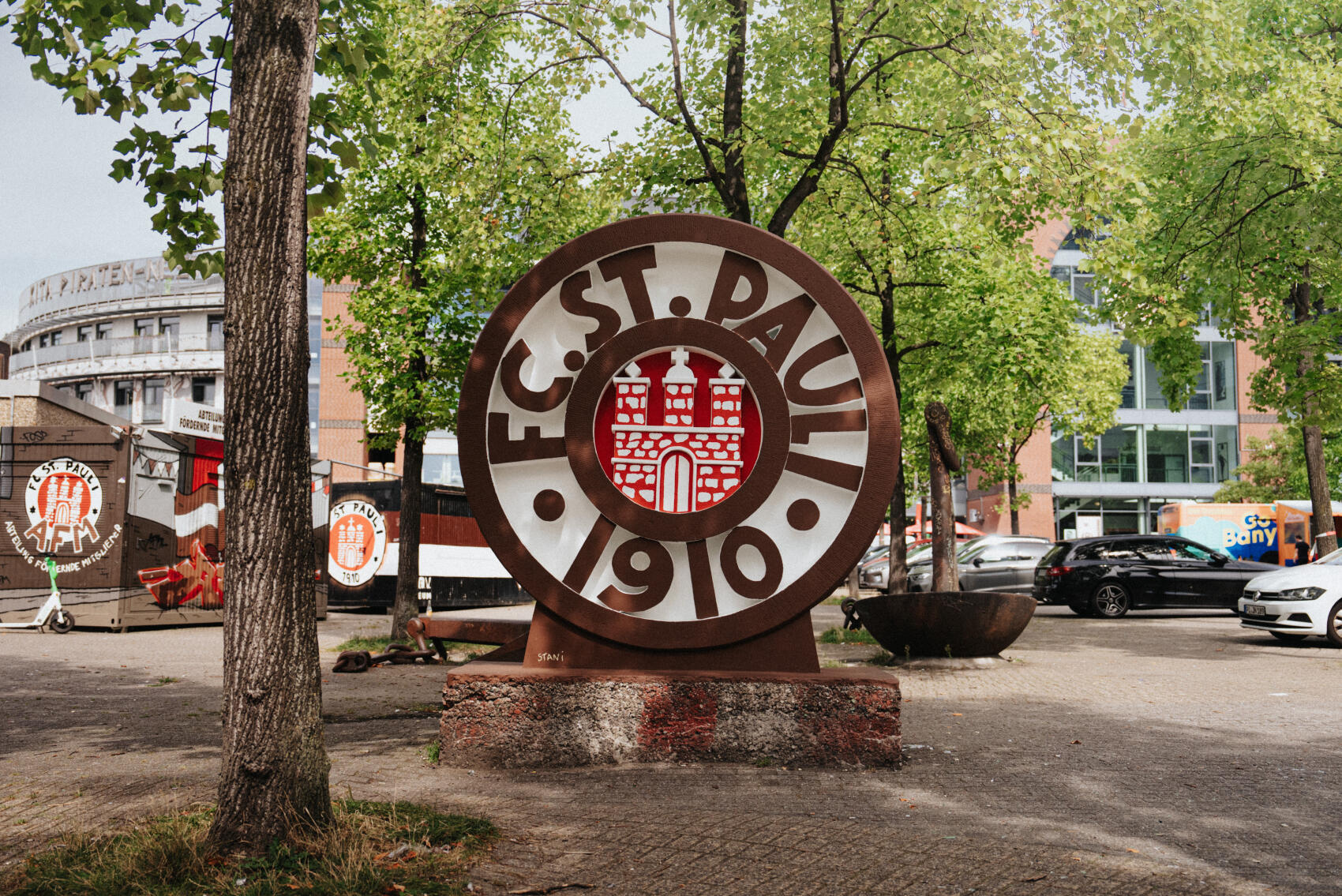
In the heart of the vibrant St. Pauli district in Hamburg, there is a football club that defies outdated conventions - the Football Club St. Pauli 1910 e.V., affectionately known as FC St. Pauli. But this is no ordinary football club; it is a source of social culture and a champion of sustainability, proudly holding its GOTS certification.


A History of Perseverance

Since its founding in 1910, FC St. Pauli has experienced it all - promotions and relegations on the football field. But its impact goes far beyond sports. In the 80s, it underwent a transformation and became a cultural phenomenon, shaped by left-wing politics, social activism, and its iconic skull emblem.
Confronted with the global challenges that concern us all, such as climate change, FC St. Pauli leads by example and lives sustainability! It's not just about being environmentally friendly, but also about reducing energy consumption, minimising resource use, and upholding human rights for the benefit of all.


For FC St. Pauli, sustainability is more than just a word - it's a way of life. This creed is built upon five central principles deeply embedded in the club:
Fairness: Throughout the production and supply chain, FC St. Pauli guarantees fairness. This means appropriate wages, dignified working conditions, and a strict “Never!“ to child labour.

Ecology: Environmental responsibility is paramount. The club emblem is proudly printed on organic cotton, recycled materials, and organic fabrics in functional clothing.


Economic sustainability: Striking a balance between sustainability and financial stability is crucial. The revenue from merchandise directly supports sports and social activities without driving up prices.


Local ties: FC St. Pauli passionately supports local initiatives, whether through fan projects or aid to the Hamburg club scene in difficult times. The club is deeply rooted in its neighbourhood and demonstrates teamwork off the football field as well.


Diversity: Diversity is a must-have! FC St. Pauli's products are increasingly gender-neutral and offer a variety of fits and styles to ensure everyone feels welcome. FC St. Pauli is not just a football club; it is a movement for a better and more sustainable world.


The Sustainable Football Experience – Not an Offside Situation Anymore:


What set the ball rolling? A 17-year-old member's proposal to implement sustainability in merchandise production during the general assembly led to prompt action. FC St. Pauli responded by introducing a line of GOTS-certified merchandise products and is still applying these principles to more and more products, including its jerseys. Now, a significant portion of cotton textiles is GOTS-certified – and FC St. Pauli is the only football club in the world to be a member of the Fair Wear Foundation.
Starting from the 2021/22 season, FC St. Pauli, in collaboration with DIIY, designed the jerseys and team sport collection of the professional team. This has led to special designs that pay tribute to the club's values. For example, the third jersey of the 2022/23 season is inspired by local graffiti artist OZ, honours his art, and contributes to the upkeep of his grave through donations from parts of the sales proceeds, in line with FC St. Pauli's focus on counterculture and community.


FC St. Pauli's dedication to sustainability and GOTS certification extends far beyond the football field. The club recognises the immense social significance of football and uses it as a platform to promote sustainability and inspire others to follow their example. This journey is a shining example for the football community, showing that fair treatment on and off the field deserves green thumbs up! FC St. Pauli is not just a football club; it is a movement for a better, more inclusive, and sustainable world.


Read more …Case Study: FC St Pauli

Case Study: Hayleys Fabric

GOTS Case Study:
Hayleys Fabric

Pioneering Sustainable Textiles in Sri Lanka

Since its inception in 1992, Hayleys Fabric has emerged as a trailblazer in the textile industry, renowned for its unwavering commitment to sustainability. With GOTS certification earned in 2014, this Sri Lankan manufacturing powerhouse has become a beacon of responsible textile practices, setting a new standard for environmental stewardship, fair labour practices, and innovation.

Company Snapshot

Hayleys Fabric: Neboda, Sri Lanka
In operation: since 1992
GOTS-certified: since 2014
Employees: 3088
Output: 3 million-plus metres of fabric per month
Annual turnover: 72 Million USD


Leading the Sustainable Charge

Hayleys Fabric's path to sustainability lies at the company’s core. Sustainability and eco-friendly production, along with a commitment to innovation, form the fundamental principles that underpin every aspect of operations. From water and energy conservation to the creative transformation of waste into value-added products, Hayleys Fabric leaves no stone unturned in its quest to minimise its environmental footprint.
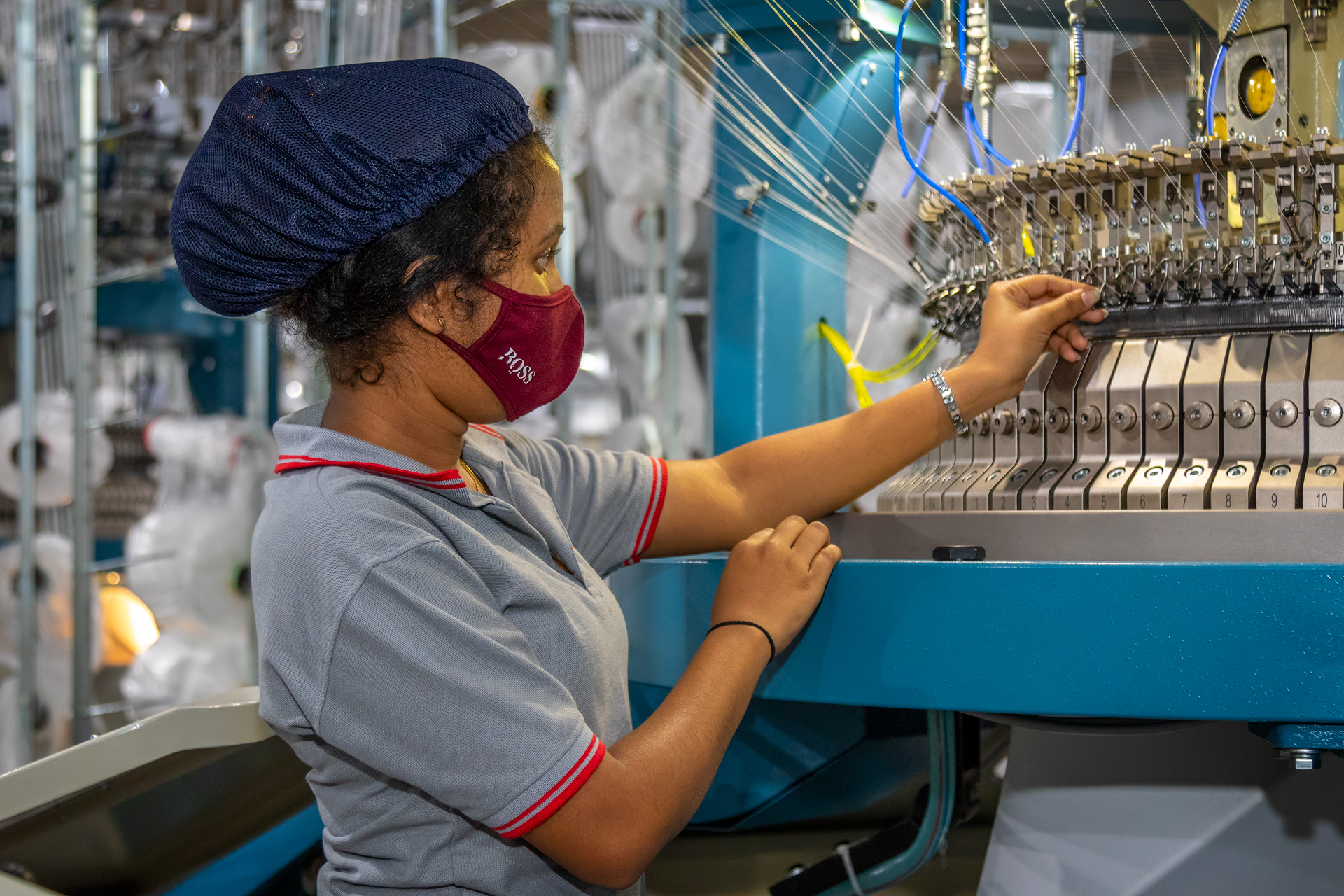
A testament to this commitment is Sri Lanka's largest single solar roof adorning its facility, generating 20 percent of the company's energy and reducing its carbon footprint by 15 percent. Its comprehensive textile processes span knitting, dyeing, printing, brushing, sueding, and finishing, offering a diverse portfolio of fabrics. Notably, the company has developed its own brand of fabric through its Innovation Centre, showcasing its prowess in sustainable textile solutions.


GOTS Certification: A Symbol of Dedication

For Hayleys Fabric, GOTS certification is more than a badge; it's a declaration of values. MD/CEO Rohan Goonetilleke passionately states, ‘GOTS reflects our unwavering commitment to responsible textile practices, ensuring our products meet the highest environmental and social standards’. GOTS certification has also unlocked enhanced market access, ushering in a culture of continuous improvement and innovation while showcasing adherence to regulatory standards. Like all GOTS Certified Entities, Hayleys Fabric has optimised its processes to reduce waste and increase energy efficiency, along with meeting the robust guidelines for social responsibility. GOTS certification helps Hayleys Fabric show its customers that the company takes sustainability seriously, Mr. Goonetilleke says: ‘This certification resonates with our dedication to sustainable sourcing, organic materials, and ethical production. It assures our customers that our fabrics are not only of superior quality but also crafted with utmost care for the planet and its people. GOTS certification serves as a testament to our unwavering dedication to responsible practices, fostering trust and transparency in our industry’.


But it's not just about compliance; Hayleys Fabric goes beyond. A green belt and biodiversity wetland park adjacent to the facility illustrate the company’s dedication to environmental stewardship. This sanctuary is home to nearly 300 species of flora and fauna, serving as an educational and research hub for local schools and universities. Its support for the restoration of endangered Sri Lankan forest plants and an in-house organic farm further exemplifies its commitment to the planet.


Transforming the Industry


Hayleys Fabric's GOTS certification has catalysed a transformation towards environmental stewardship, fair labour practices, and transparency across the value chain. The rigorous third-party certification process assures consumers that the strict GOTS requirements are met, empowering them to make informed choices that contribute to the growth of the global organic textile market.


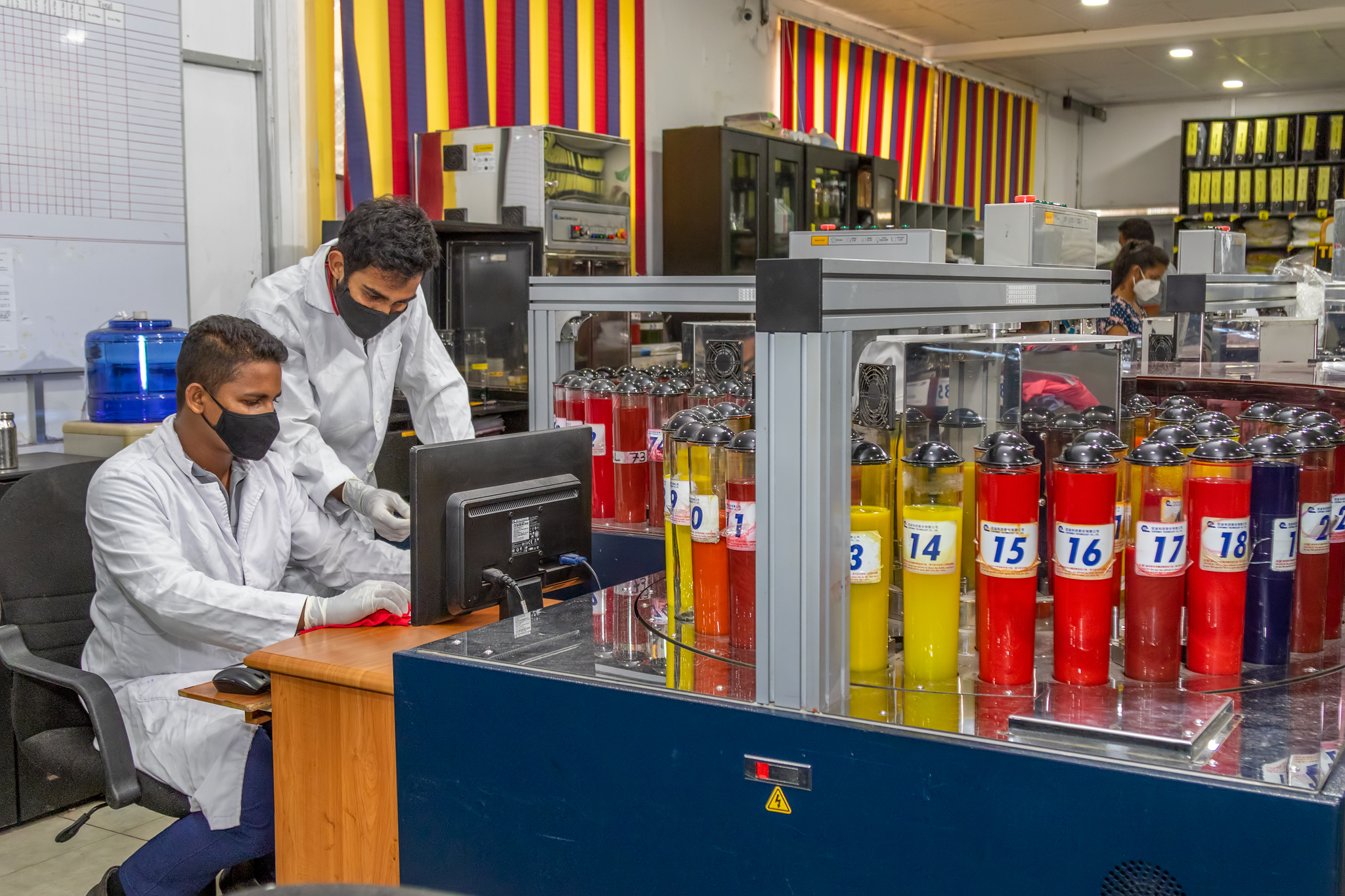
Yearly audits and continuous improvement efforts drive creative problem-solving throughout the business. Notably, Hayleys Fabric has harnessed its innovation to develop sustainable products, including a mahogany dye from furniture waste and a black dye from its biomass waste.


A Future Aligned with Sustainability


GOTS certification has solidified Hayleys Fabric’s commitment to sustainability, attracted environmentally conscious clientele and reinforced the company’s strong ethos of ecological and socially responsible operations. As Head of Sustainability & Sustainable Innovations, Leonie Vaas aptly summarises, ‘This recognition has elevated our standing, drawn in environmentally conscious clientele, and emphasised our dedication to an eco-friendlier and more responsible textile sector’.


With its rich history, innovative spirit, and steadfast commitment to sustainability, Hayleys Fabric is not just a GOTS-certified company; it's a pioneering force reshaping the future of textiles for the better.


Read more …Case Study: Hayleys Fabric