| |
|
GOTS sends its heartfelt support to those affected by the outbreak of coronavirus as well as the many around the world that are facing and suffering from extreme measures taken in the attempt to slow down its spread.
We are inviting all GOTS certified companies to share their story about their extraordinary measures taken to overcome this crisis. Tell us about your efforts when it comes to containing the effects of this crisis! We would like to support your initiatives such as using production facilities for creating organic face masks, crisis management, and other projects fostering sustainability and global solidarity by sharing your story in our media.
Share your story with Juliane Ziegler
|
|
Due to the critical situation for the entire textile supply chain, we would like to draw your attention to our measures taken including virtual audits and time frame extension of recertification. GOTS will continuously review the situation and provide updates as required.
|
|
The new GOTS version 6.0 and the corresponding Implementation Manual were released in March. The approach of the revision process, undertaken every three years, is to set stricter ecological and social criteria while maintaining relevance of the Global Organic Textile Standard. Key requirements such as certified organic fibre content, the general ban on toxic and harmful chemicals, conventional cotton and virgin polyester as well as the social compliance management have been maintained. Other criteria are now stricter. References to OECD Guidelines and Assessment of Living Wage Gap have been included. Certified entities will now have to calculate the living wage gap and work towards closing it, the relaxation for additional regenerated fibres and virgin polyester has been withdrawn.
 Find the new Version, the corresponding Implementation Manual and List of Changes for download and the Press Release to GOTS 6.0 here Find the new Version, the corresponding Implementation Manual and List of Changes for download and the Press Release to GOTS 6.0 here
|
 |
| |
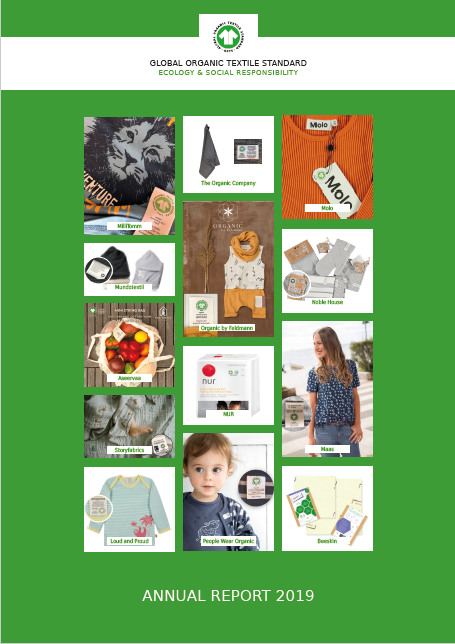 |
In 2019, the number of GOTS certified facilities globally increased by 35%, from 5,760 to 7,765 located in 70 countries, counting 3 million workers in 70 countries covered under GOTS.
Read about achievements, worldwide promotional activities, and other exciting projects in 2019!
Download Annual Report
|
| |
|
In response to the urgent need of face masks GOTS certified companies have started to designate parts of their factories to face mask production. Like all GOTS goods, GOTS certified masks assure that no harmful chemicals are used, so that the environment and the skin are safe. We are excited to see the quick action taken by certified companies such as Schweikardt-Moden and Loud + Proud in Germany, as well as Naturepedic and Avocado Green Brands in the US producing GOTS certified masks!
Unfortunately, some face masks offered do not seem to be GOTS certified. So please check correct labelling including label grade and license number (should be verified in theGOTS public database). And please be aware of the material composition, a GOTS product has to contain at least 70% certified organic content. Please also see ourSecurity Advice Advertsand the GOTS Fact Sheet"Are you allowed to label GOTS goods or mention GOTS in your advertising"for correct labelled goods.
|
 |
| |
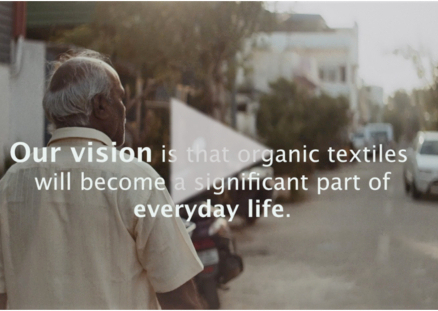 |
On 24thApril 2020, in the course of the Fashion Revolution Week and the anniversary of the Rana Plaza factory collapse, the first image clip ‘GOTS From Field to Fashion – Manufacturing in India’ was released. The event was taken as opportunity to shine a light on the wonderful individuals involved in the supply chain! Meet Mariados, Sample Master Cutter at the GOTS certified Armstrong Knitting Mills in Tirupur India. Hear about his story and how he benefits from working in a GOTS certified company. Stories like these encourage us to take GOTS' vision 'making organic textiles become a significant part of everyday life, enhancing people´s lives and the environment' further.
Watch here.
|
| |
|
This technical fact sheet summarises the Control of Chemicals in GOTS Goods at the three different stages.
Stage 1: Approval Prior to Use
Stage 2: Processed Main Textile Material
Stage 3: Accessories and Additional Fibres
Download fact sheet
|
 |
| |
 |
GOTS and ACTIF seek a strategic partnership to push for standardization of production and processing in the cotton, textile and apparel (CTA) value chain in Africa. ACTIF´s aim is to promote the African Cotton, Textile and Apparel value chain from Fibre to Fashion. Its role as the voice of the African Farmer to Fashion value chain continues to grow, members include National allied Associations from 25 African countries.
The partnership intends to ensure that value chain stakeholders implement standards of organic production and processing within the industry. Together, the organizations will contribute their respective expertise in organic farming and environmentally and socially responsible textile processing.
|
| |
|
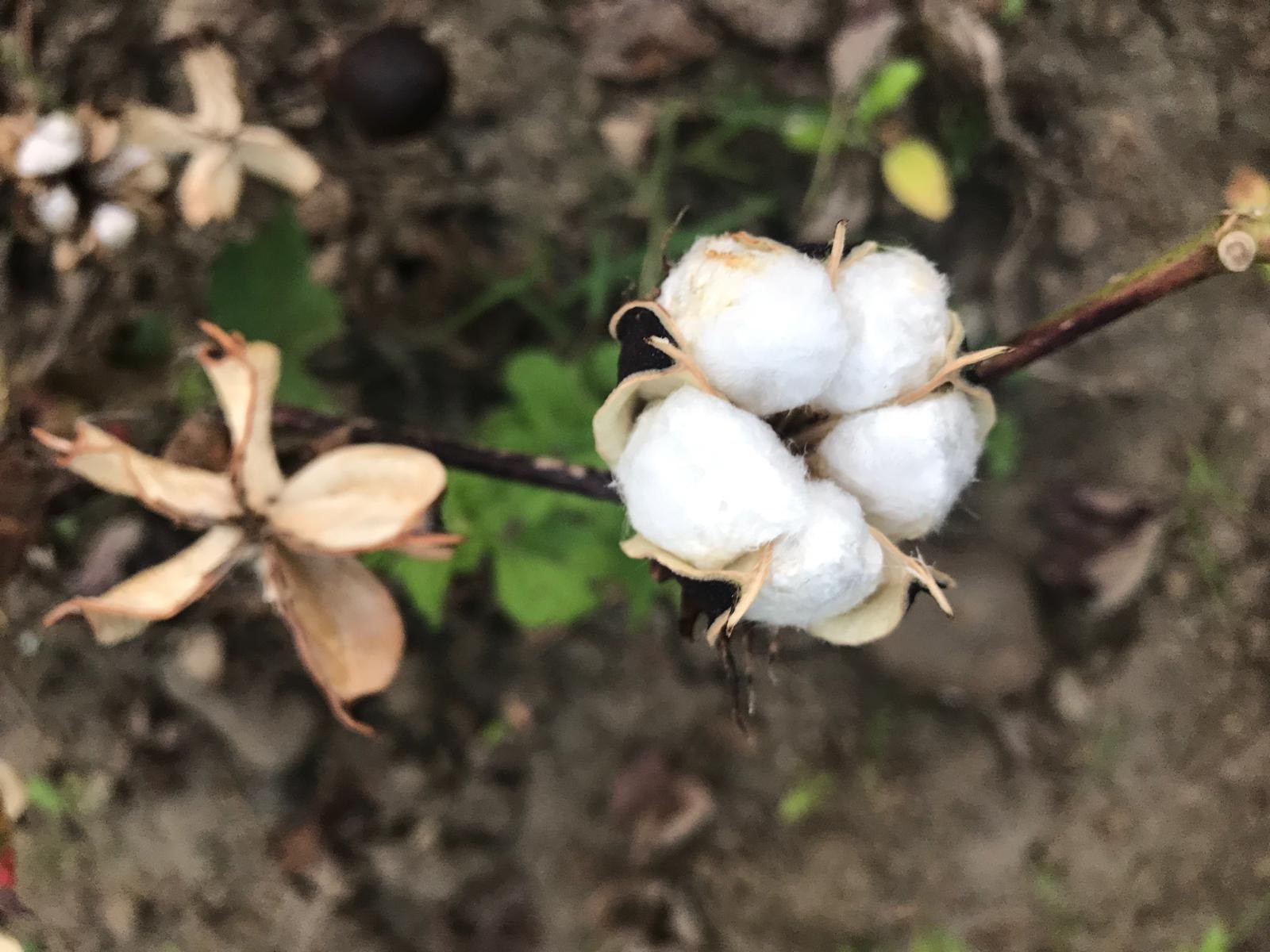
The GOTS-initiated genetically modified organism (GMO) testing method project for cotton, picked up and sponsored by the Organic Cotton Accelerator (OCA), was completed by the Dutch Standardisation authority NEN and released as an ISO International Workshop Agreement (ISO IWA 32) in April 2019. Following this, an advisory was sent to all GOTS Approved Certification Bodies that this protocol serves as Recognized Screening Method for screening for the presence of GMOs at gins.
Please see the GOTS Position Document on GM Contamination in Textiles for detailed information.
|
 |
| |
 |
The survey, distributed amongst all GOTS certified operators, serves to measure the impact of GOTS in terms of social, environmental, and economical aspects.
All participants of our GOTS Impact Assessment Survey entered a lucky draw and the three lucky winners are:
- Hasan Eskin, Denizli Rateks Tekstil, Turkey
- Helder, EStamparia Ralope, Portugal
- Selvaraj, Indo Count Industries Limited, India
Prizes will be sent by post once COVID-19 restrictions are eased.
|
| |
|
|
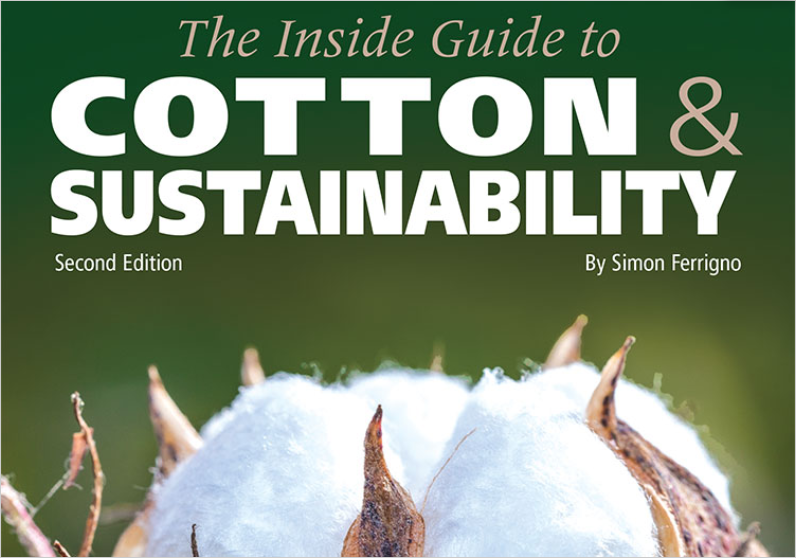
Written by cotton expert Simon Ferrigno and edited by Ecotextile News editor John Mowbray, the newly released guide provides in-depth expert analysis and guidance on how to tackle the issue of sustainability in global cotton supply chains. It outlines potential pitfalls of current and future global cotton sector strategies and addresses how cotton fits into the circular economy, examining cotton’s perceived ‘bad reputation’ in terms of pesticide use, water conservation and other challenges. The production of the guide has been supported by GOTS.
For an introduction to the guide and to order click here.
|
 |
| |
| |
 |
Please note that due to the current unpredictable situation caused by COVID-19 all events are subject to change!
We are awaiting further information and will keep you updated about GOTS' participation (in person or online) at international events and fairs.
1-3 August 2020, Wallau, Germany: Innatex (still scheduled). GOTS will be present with a booth at the only natural textiles fair in the world to feature not only fashion, but also other textile product categories such as accessories, home textiles, fabrics, toys etc., organised under the auspices of the International Association of the Natural Textile Industry (IVN) and providing exhibitors with information about product certification. For more information and appointments please contact Franziska Dormann.
1-3 September 2020, Munich, Germany: Munich Fabric Start (still scheduled) one of the leading international textile trade shows to star fabrics and sourcing opportunities. International suppliers from more than 40 countries will be present. GOTS will feature a booth in the Resource Section, focused on innovation and sustainability! For more information please contact Franziska Dormann.
12 – 13 October 2020, Copenhagen, Denmark: Copenhagen Fashion Summit (postponed from May to October), GOTS Global Brands Representative Peter Born will be present. For more information please contact Peter Born.
|
| |
|
|
|
|
|
|