GLOBAL ORGANIC TEXTILE STANDARD
ECOLOGY & SOCIAL RESPONSIBILITY

GOTS Revision

GOTS Revision

GOTS is a dynamic standard, we foster constant progress towards the development of better textile processing methods. Every three years a revision process takes place in which GOTS collaborates with international stakeholders. Find out more about our comprehensive and transparent revision process below.

  • Revision Process

    Principles of the Revision Process - Stakeholder Input

    GOTS is backed up by stakeholder-based decision bodies/technical committees, which ensure that the views of relevant stakeholders are considered. The GOTS-approved certification bodies are also actively involved in the GOTS revision process through representation on the Standards Revision Committee, as are other industry stakeholders.


    Revised Process for Standard Revisions

    The revision process followed the Standard Setting Procedure (SSP) which provides for the constitution of an (ad hoc) Standard Revision Committee (SRC) for each revision. The SRC consists of experts from different stakeholder groups, works on the basis of respective terms of reference and decides on the revised standard. The selection of members is based on the “GOTS Stakeholder Identification Document”.


    The GOTS Standards Revision Committee 2025 was constituted in November 2024.


    Public Consultation Process for GOTS revision to version 8.0

    The Global Organic Textile Standard is undergoing a periodic revision, to version 8.0, commencing 2025.  The timeline for the process is as follows

     1. Constitution of GOTS SRC 
     
     Completed
     2. Release of the first revision draft for public consultation
       Released on 2nd January 2025
     3. First public consultation period
      Completed on 7th March 2025
     4. Deliberations of the SRC on inputs received
     
     Completed April - June 2025
     6. Second public consultation period
     
     Completed 15th August 2025
     7. Deliberations by the SRC on inputs received in 2nd consultation period
    Completed
     8. Finalisation of GOTS version 8.0 
     
     November through January 2026
     9. Release of GOTS version 8.0
     
     March 2026


    Reference documents :

    For more information, contact (


  • Public Consultation on GOTS Revision 2025

    The 2nd phase of public consultation for the revision to GOTS version 8.0 is now complete. 


    The list of all inputs received, considered and ruled on by the Standards Revision Committee may be reviewed at this link.

    GOTS version 8.0 and Implementation Manual shall be released publicly in March 2026

    * * * * *


    Second revision draft documents can be accessed here :

    1. GOTS version 8.0 2nd revision draft
    2. Implementation Manual for GOTS v 8.0 2nd revision draft
    3. List of all inputs received in the 1st revision period and decisions of the Standards Revision Committee : Link

    The Standard documents above are with tracked changes retained.  Should you require reading clean versions with all changes accepted, they may be accessed here : 


    1st revision drafts and changelogs from version 7.0 may still be accessed using the following links -

    1. GOTS v 8.0 Draft 1.0
    2. Manual for the Implementation of GOTS v 8.0 Draft 1.0
    3. Changelog GOTS v 8.0 Draft 1.0 from v 7.0
    4. Changelog Manual for the Implementation of GOTS v 8.0 Draft 1.0 from v 7.2


  • Standard Revision Committee for revision to version 8.0 - 2025

    The Standard Revision Committee (SRC) for the revision to GOTS version 8.0 has been constituted after applications were solicited from interested stakeholders. 

    The SRC members are listed below: (some names have been withheld on request)

    Narayanasamy Arunachalam

    Vice President Armstrong Spinning Mills (P) LTD

    Andreas Bayer

    Deputy Managing Director, Verband TEGEWA e. V.

    Elizabeth Bennett

    Joseph M. Ha Associate Professor of International Affairs and Director of Political Economy, Lewis & Clark College (Portland, OR, US); Fellow, Carr Center for Human Rights, Harvard Kennedy School (Cambridge, MA, US)

    Rahul Bhajekar

    Coordinator, GOTS SRC

    Sergio Chichiarelli

    Sustainability Technician, Individual Basis

    Dr. Binay Kumar Choudhury

    CU Inspections India

    Hanna Cody

    Project Manager, International Labor Standards / Sustainability Project Specialist, The Walt Disney Company / Panasonic North America

    Sarah Compson

    Director Standards, Soil Association

    Ado Ali Danbatta

    Professor, Kano State Polytechnic, Kano-Nigeria

    Dr. Pierfrancesco Fois

    Executive Director ETAD

    Michi Fried

    Sustainability Manager, Everlane

    Mattias Ganem

    R&D and Sustainability Project Manager, SOLO Group

    Waseem Ahmad Irshad

    D. Manager Compliance, Nizamsons Pvt. Ltd

    Kimberly Jones

    Manager Vendor Onboarding, Carters Inc

    Oswaldo Cardenas Krenz

    Engineering Manager, FILASUR S.A.

    Markus Krüger

    International Association Natural Textile Industry, Coordinator of IVN Standard Committee

    Sandra Marquardt

    President On the Mark Consulting

    Hong Mei (梅红)

    Senior Director of Integrity, Worldwide Responsible Accredited Production (WRAP)

    Yoshinobu Noguchi

    Japan Organic Cotton Association, Executive Director. J-Stream Co.Ltd., CEO

    Marta Roche

    Sustainability and Technical Affairs Manager, Edana

    Amitabh Singh

    Director, Amiha Agro Pvt Ltd

    Elizabeth Tigan

    Oregon Tilth

    Muazzez Ersoy Üstünel

    Head of Product Safety, Rudolf Duraner

    Veronika Vilhelmová

    Compliance Manager, MALFINI,a.s.

Read more …GOTS Revision

Home

  • Start learning with Global Standard Academy

    Explore the Global Standard Academy, a new online hub offering free, easy-to-understand training on key Global Standard topics. The platform features educational videos and self-paced modules, with additional content to be released regularly.

    Read more

  • The new Global Responsible Textile Standard (GRTS) is in development.

    Global Standard thanks all stakeholders that contributed their insights and perspectives in the GRTS public consultation that closed 14 September 2025. 

    Read more

  • The Second Round of Public Consultation for GOTS Version 8.0

    Your feedback from the second consultation period for GOTS version 8.0 is now being assessed and integrated.

    Read more

  • OECD Alignment Assessment Results

    GOTS Version 7.0 was found to demonstrate close alignment with the OECD Due Diligence Guidance for Responsible Supply Chains in the Garment and Footwear Sector. 

    Read more

  • 2024 Annual Report reveals key achievements and strategic shifts

    Global Standard expands scope, leverages AI innovation, and amplifies global engagement. 

    Read more

  • Global Standard receives ISEAL Innovations Fund grant

    The grant from the ISEAL Innovations Fund will support new due diligence training for GOTS auditors.

    Read more

  • GOTS Due Diligence Handbook 1.1

    Version 1.1 of the GOTS Due Diligence Handbook has been released.

    Download now

  • Manual for the Implementation of GOTS Version 7.2

    Version 7.2 of the Manual for the Implementation of GOTS is now available for download.

    Read more

  • Support Farmers Transitioning to Organic Cotton: GOTS and OCA Call to Action

    Join OCA's Farm Program to secure organic cotton by backing farmers during the critical in-conversion phase

    Read more

[ionicons-sharp--people-sharp]

Quick links for Consumers

[g-certification]

Quick links for Companies

[fontawesome-solid--pen-square]

Quick links for Press

[fontawesome-solid--comment-dots]

GOTS COMPLAINTS PROCEDURE

GOTS Complaint Form

Any individual or organisation is able to register a complaint about perceived violations of
GOTS requirements.

This procedure is based on the core criteria of legitimacy, accessibility, predictability, equitability and transparency, and is
dialogue-based.

The Global Organic Textile Standard (GOTS) was developed by leading standard setters to define world-wide recognised requirements for organic textiles. From the harvesting of the raw materials, environmentally and socially responsible manufacturing to labelling, textiles certified to GOTS provide a credible assurance to the consumer.

Find out more about us and what we do.

Find Suppliers and Products

Use our free databases to find Find Suppliers and Products.

CERTIFIED SUPPLIERS DATABASE

This database contains the GOTS certified entities, their location, field of operation and product groups. 
Find out how to use it

GOTS SHOP-FINDER

For the search you have the possibility to search specifically in your area. Enter the country, the postcode, or city and the area in the search mask and select one or more product categories.

GOTS News

See more news

Faces from Field to Fashion

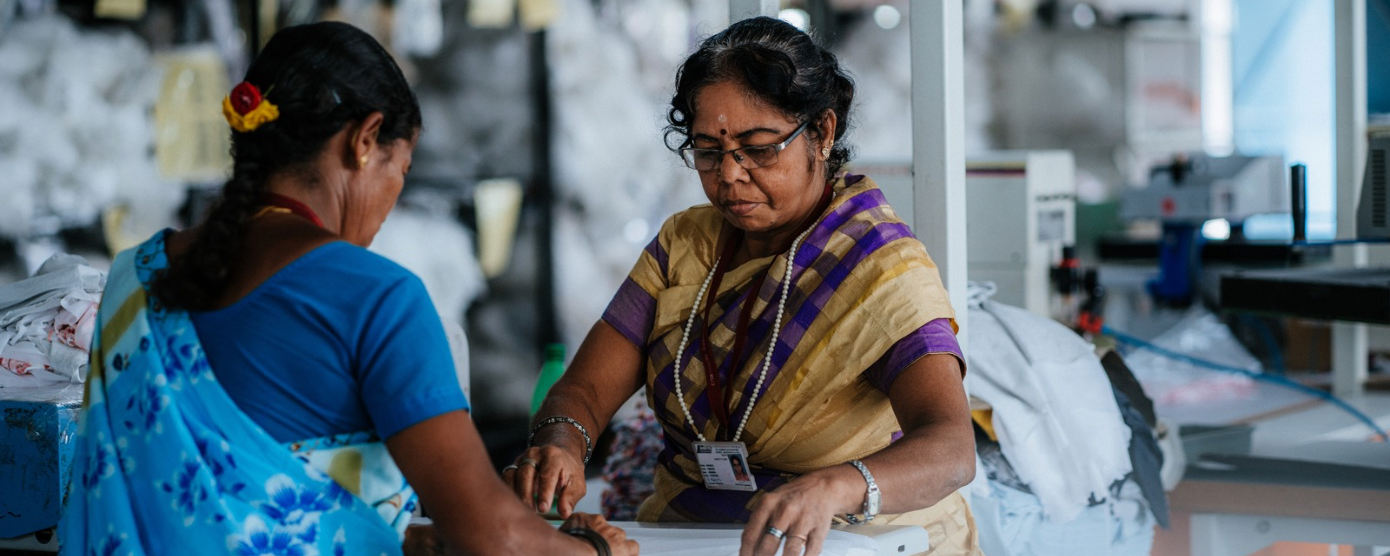
Faces From Field to Fashion is a behind-the-scenes journey to the heart of the Global Organic Textile Standard (GOTS), and an introduction to the sights, sounds, and faces behind every GOTS product. Representing more than 4 million employees working in GOTS certified facilities around the world, eight individuals give us a glimpse into their lives and tell us how they have been impacted by GOTS in unscripted and candid video portraits. 

Click here to meet the people from field to fashion.


Read more …Home

Imprint

Global Standard gemeinnützige GmbH
Rotebühlstr. 102
70178 Stuttgart
Germany

Commercial Register / Handelsregister Stuttgart HRB 726970,
VAT No/ UST IdentNr DE 260 483 014,
Managing Directors / Geschäftsführer: Claudia Kersten, Vidyadhar Ashok Bhajekar

global-standard.org
Responsible according to / Verantwortlich nach §18 MStV:
Holger Stripf
Global Standard gGmbH
Rotebühlstr. 102
70178 Stuttgart

farmregistry.org
Responsible according to / Verantwortlich nach §18 MStV:
Katrin Khoza

Limitation of liability for external links

Our website contains links to the websites of third parties („external links“). As the content of these websites is not under our control, we cannot assume any liability for such external content. In all cases, the provider of information of the linked websites is liable for the content and accuracy of the information provided. At the point in time when the links were placed, no infringements of the law were recognisable to us. As soon as an infringement of the law becomes known to us, we will immediately remove the link in question.

Picture credits

The copyright of images and graphics not listed here lies with Global Organic Textile Standard.

Page: News – E-Meet GOTS at Texworld USA, Advertisement Image Textworld USA © Messefrankfurt
Page: News – GOTS Pressemitteilung Erste GOTS zertifizierte Gesichtsmasken aus From Field to Fashion wird From Field to Face, Advertisement Image Face Masks © Schweikardt Moden

Website Implementation

global-standard.org: Die Seitenwerkstatt, Cologne

farmregistry.org: Global Standard gGmbH

Read more …Imprint

Japan

GOTS (Global Organic Textile Standard) とは

GOTSは、 繊維製品のサプライチェーン全体を対象とし、
独立した第三者認証に裏打ちされた、
環境的・社会的要件を含む
オーガニック繊維のための加工基準です。


オーガニックテキスタイルに関する世界的に認められる要求事項を定義するために、主要な基準設定者によって開発された基準です。
原料の収穫から、環境と社会に配慮した製造、ラベル表示まで、GOTSの認証を受けたテキスタイルは、消費者に信頼性の高い保証を提供します。

  • GOTSについて

    GOTSの特徴やスコープに関してはこちら

  • GOTS認証を取得するには

    認証取得のステップや認証機関のリストはこちら

  • 認証企業データベース

    GOTS認証取得企業の検索はこちら

  • GOTSの正しい表示方法

    GOTSラベルや文字の使用に関してはこちら

  • ドキュメント

    基準やポリシー等の資料はこちら
    右側のメニューからJAPANESE / 日本語を選択ください

  • よくあるご質問

    よくあるご質問(日本語版)はこちら

GOTS製品の正しい見分け方は?


商品に付けられたラベルが目印になります。 パッケージやタグに、購入者に見やすいようにGOTSラベルがつけられています。

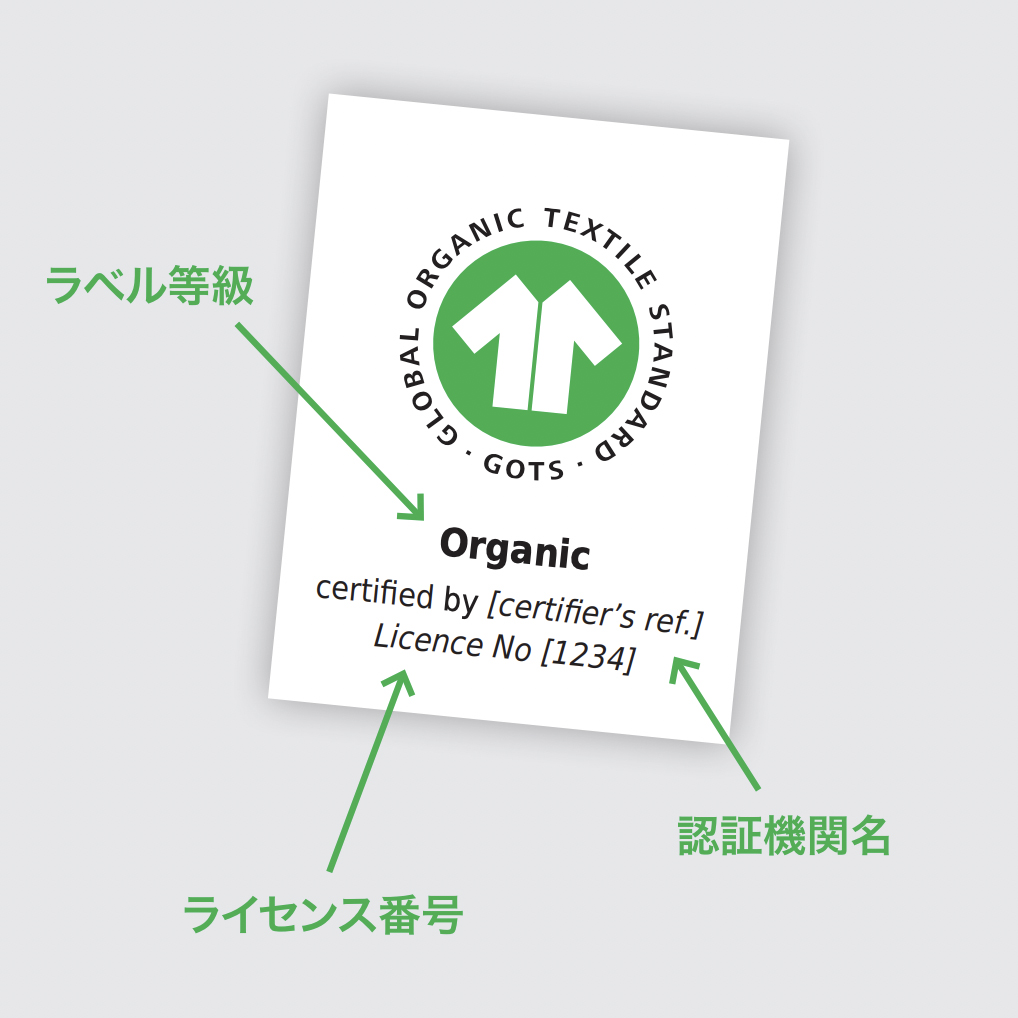
正しいGOTSラベルには以下の項目が表示されます。

  • GOTS ラベル等級「Organic」/「Organic-in conversion」または「made with Organic」 /「made with Organic-in conversion」
  • 認証機関名(または略称)
  • ライセンス番号(または認証された企業の名前)

お知らせ


準備中


メディアへのGOTSロゴ使用について

メディア・教材でGOTSロゴの使用やGOTSの紹介をご希望の方は、
以下の項目をメールにてお送りください。

①GOTSロゴの使用目的

②使用者/ 連絡先メール、電話番号

③掲載場所または使用媒体名と発行日(予定時期)

④媒体のURL(あれば)

⑤GOTSの説明内容(ロゴの説明文)ー必要があれば修正させていただきます

お問い合わせ


日本に関するお問い合わせは、
GOTSジャパン・リプレゼンタティブの松本までご連絡ください。

GOTSスタッフの一覧はこちら

Read more …Japan

Join the Movement – Become a Part of #BehindTheSeams 2024

By submitting this form, you express your interest in joining the "Behind the Seams" campaign organised by GOTS. Our marketing unit will contact you soon.

Registration Form

Please enter your last name
Please enter a valid email
Please provide the name of your organisation


Last year's success:

  • Over 250 participating GOTS-certified brands, companies and retailers. Join a community committed to sustainability and ethical practices.
  • Award-winning new consumer-targeted campaign website: www.behindtheseams.eco. Explore our engaging website designed to connect conscious consumers with responsible businesses.
  • Over 40 million impressions: Benefit from extensive exposure to a wide audience passionate about sustainability.
  • Over 21 million unique consumers reached: Tap into a vast network of potential customers who prioritise eco-friendly products and practices.


It's absolutely FREE to participate!

Zero cost, maximum exposure. Participating in #BehindTheSeams gives your company invaluable awareness at no financial expense. Seize this opportunity to showcase your commitment to sustainability.


Join the movement today!

Fill out the form above to become a part of #BehindTheSeams and amplify your company's impact on sustainability. Connect with a community dedicated to making a difference.


EN

Kampagne: #NahtlosNachhaltig

Melden Sie sich zum Vorbereitungs-Webinar am 25.10.23 an

Please enter your last name
Please enter a valid email
Please provide the name of your organisation


Language

Media Centre

Thank you for your interest in GOTS! We are happy to provide information for your reporting on GOTS.

If you need an individual interview, a short statement, or any additional materials from us, please contact Holger Stripf. You will find her contact details at the bottom of the page.

Media Assets

  • Photos

    Here you will find various photos opening up a great insight into the work of the GOTS.

    LINK

  • Videos

    Find a selection of GOTS films showing and containig more interesting impressions and information about the GOTS.

    LINK

  • Press KITS

    This section contains all press folders on current topics concerning GOTS.

    LINK

Media FAQ

  • What is GOTS in a nutshell?

    • GOTS is the worldwide leading textile processing standard for organic fibres.
    • GOTS includes both ecological and social criteria.
    • GOTS is backed up by independent certification.
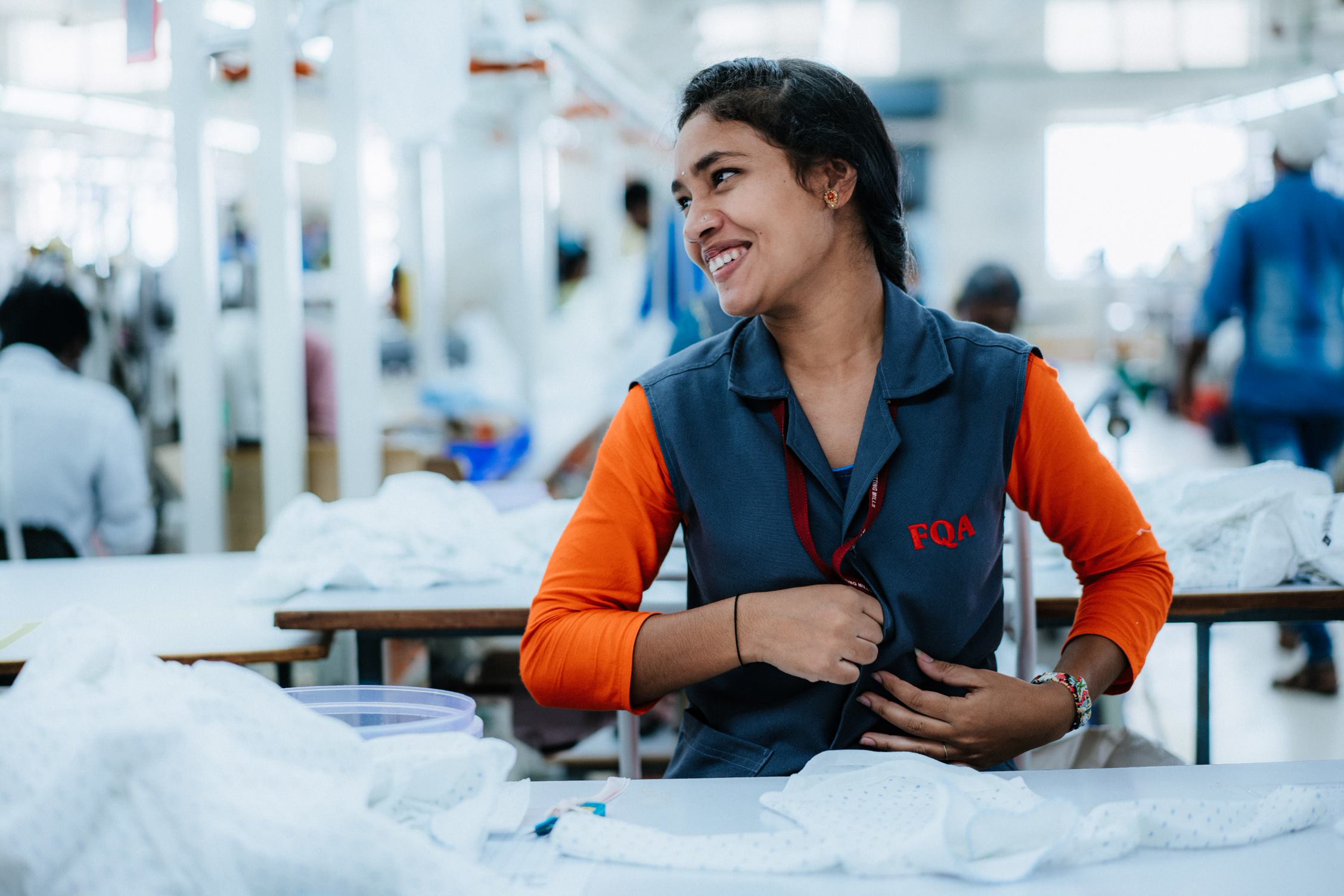
    • Every single step – from field to fashion - must be certified in order for the final product to carry the GOTS label.

    • GOTS is an independent, self-funded, non-profit organisation.
    • In this way, the GOTS puts an end to greenwashing.
  • How is GOTS different to other standards/labels in the market?

    GOTS is a comprehensive standard that makes a ‘full product claim’. It sets detailed environmental and social criteria throughout the entire textile supply chain - from field to fashion.

    Many other standards/certifications only trace the organic fibre flow throughout the textile supply chain. This allows an organic ‘fibre claim’ in the final textile product but without any requirement to meet environmental or social criteria in processing.

    GOTS sets the benchmark for an international common understanding of environmentally friendly production systems and social accountability in the organic textile sector.

    Find out more on how GOTS compares to others certifications/labels.


  • How many companies are GOTS certified?

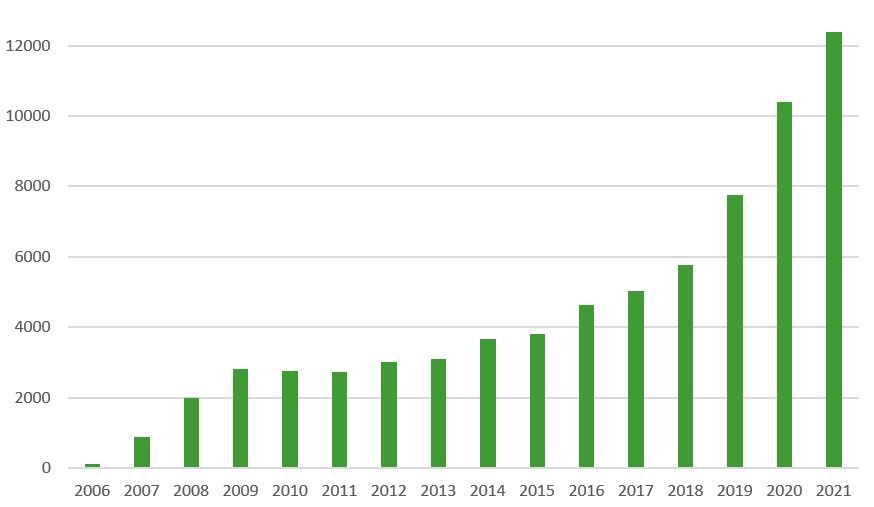
    Over 12,000 certified facilities (+19% to 2020) were reported in 2021, despite the continuing limitations of the COVID-19 pandemic. 

    certified facilities fb1fdc8a

  • In how many countries is GOTS active?

    GOTS is a global standard with certified facilities in 79 countries. GOTS Representatives are located in all major markets across the globe.

  • When was GOTS developed?

    The development of the Global Organic Textile Standard (GOTS) started in 2002 when representatives of organic cotton producers, the textile industry, consumers, standard organisations and certifiers discussed the need for a harmonised organic textile standard that would be globally recognised. If you would like to find out more about our history, please click here.

  • What is GOTS’s business model? How does GOTS finance itself?

    As a self-funded non-profit organisation, all income is used to reach our vision and mission. GOTS is independent of outside economic interests. GOTS receives annual fees from each certified facility, set at only €150. GOTS applies for public funding for larger projects.

  • Does GOTS certify raw material such as organic cotton or wool?

    Organic fibre production is not directly covered by the GOTS certification system, as GOTS itself does not set standards for organic fibre cultivation. Instead, the cultivation of organic fibres is under the scope of organic farming standards, many of them defined by national governments.

    For organic fibre production, a certification to the IFOAM Family of Standards for the relevant scope of production is required. IFOAM has its own accreditation system. The standards approved under the IFOAM family of standards are officially endorsed as organic and include both private and government regulations.

    A textile product carrying the GOTS label must contain a minimum of 70% certified organic fibres, a product with the label grade grade 'organic' must contain a minimum of 95% certified organic fibres.

Latest Press Releases

Press Contact

Holger Stripf

Head of Marketing

Contact

Read more …Media Centre

Musterseite

Our vision is that organic textiles will become a significant part of everyday life, enhancing people’s lives and the environment.

Our mission is the development, implementation, verification, protection and promotion of the Global Organic Textile Standard (GOTS). This standard stipulates requirements throughout the supply chain for both ecology and labour conditions in textile and apparel manufacturing using organically produced raw materials. Organic production is based on a system of farming that maintains and replenishes soil fertility without the use of toxic, persistent pesticides and fertilizers. In addition, organic production relies on adequate animal husbandry and excludes genetic modification.

We see ourselves as contributing to sustainable development and actively cooperate with all relevant stakeholders.

In developing GOTS we set strict – and binding – requirements regarding ecological and social parameters. In so doing, we take into consideration the need for a standard that is practicable for industrial production and appropriate to a wide range of products. Taking both aspects into account, we define organic textiles as being processed with the least possible impact and residual natural and synthetic chemical inputs.
GOTS is a dynamic standard: we foster constant progress towards development of better textile processing methods. In this continuous improvement process we collaborate with international stakeholders, including the textile and apparel industry, chemical suppliers, organic farming and environmental organisations, workers’ rights groups, and labour unions. We believe that a voluntary global standard, set in partnership with international stakeholder communities, ensures widespread global acceptance. In contrast to mere national standards, it also helps to remove barriers to international trade.

Implementation of GOTS reconciles the need of the textile industry for one global standard with consumers’ need for transparency. The increasing recognition and acceptance of GOTS worldwide confirms that these needs are being met. Our initial objective was to harmonise several different standards into one coherent label; this has become a reality. We continue to work to ensure that this common global standard satisfies the expectations of all stakeholders.

A standard is only as effective as it is credible. In addition to trust, verification is crucial to building credibility. We entrust verification only to selected professional and independent certification bodies. The certification bodies regularly audit all parties involved in the manufacturing of GOTS-certified textiles through comprehensive on-site inspections in order to verify that all GOTS environmental and social requirements are met. In order to further protect GOTS’ credibility, we investigate and impose sanctions wherever there is evidence of misleading use of the GOTS label or reference to GOTS certification.

Our organisation maintains a flat structure and aims to minimise administrative costs. The GOTS programme is self-financed. All income is used to reach our objectives.

As a global network we have representatives working to promote GOTS around the world. For us, team spirit means more than mutual respect, understanding and trust; it means working together to achieve solutions.

Respect for both people and the environment drives us.

Privacy Policy

PRIVACY NOTICE

As the data controller we have prepared this privacy notice to inform you in accordance with the requirements of the EU General Data Protection Regulation 2016/679 (GDPR) about the nature, scope and purpose of the processing of personal data in relation to the services we offer on our web site.

I. Definitions

„Personal data“ means any information relating to an identified or identifiable natural person (‘data subject’); an identifiable natural person is one who can be identified, directly or indirectly, in particular by reference to an identifier such as a name, an identification number, location data, an online identifier or to one or more factors specific to the physical, physiological, genetic, mental, economic, cultural or social identity of that natural person;

„Processing“ means any operation or set of operations which is performed on personal data or on sets of personal data, whether or not by automated means, such as collection, recording, organisation, structuring, storage, adaptation or alteration, retrieval, consultation, use, disclosure by transmission, dissemination or otherwise making available, alignment or combination, restriction, erasure or destruction;

„Controller“ means the natural or legal person, public authority, agency or other body which, alone or jointly with others, determines the purposes and means of the processing of personal data; where the purposes and means of such processing are determined by Union or Member State law, the controller or the specific criteria for its nomination may be provided for by Union or Member State law;

„Recipient“ means a natural or legal person, public authority, agency or another body, to which the personal data are disclosed, whether a third party or not. However, public authorities which may receive personal data in the framework of a particular inquiry in accordance with Union or Member State law shall not be regarded as recipients; the processing of those data by those public authorities shall be in compliance with the applicable data protection rules according to the purposes of the processing;

II. General information

1. The data controller

Global Standard gemeinnützige GmbH 
Rothebühlstr. 102
70178 Stuttgart 
Germany
E-Mail:

2. Contact details of the data protection officer

Herr Gerhard Deiters
BHO Consulting GmbH
Vorgebirgstraße 132, 50969 Köln
Email:
Website: www.bho-consulting.com

3. Legal bases

We process personal data based on at least one of the following legal bases:

  • The data subject has given consent to the processing of his or her personal data for one or more specific purposes (Art. 6 (1) lit. a GDPR);
  • Processing is necessary for the performance of a contract to which the data subject is party or in order to take steps at the request of the data subject prior to entering into a contract (Art. 6 (1) lit. b GDPR);
  • Processing is necessary for compliance with a legal obligation to which we are subject (Art. 6 (1) lit. c GDPR);
  • Processing is necessary in order to protect the vital interests of the data subject or of another natural person (Art. 6 (1) lit. d GDPR);
  • Processing is necessary for the purposes of the legitimate interests pursued by us or by a third party (Art. 6 (1) lit. f GDPR)

In this privacy policy we refer to the respective legal basis of the individual data processing operations.

4. Onward transfer of personal data

We forward personal data to recipients (data processors or other third parties) only to the extent required and only if one of the subsequent conditions are met:

  • the data subject has consented to the data transfer;
  • the onward transfer is required to fulfil a contractual obligation or pre-contractual measure on the request of the data subject;
  • we are obliged by law to make such a transfer;
  • The onward transfer is made on the basis of our legitimate interest or on those of a third party.

5. Third countries

The transfer of personal data to a third country or an international organisation outside the European Union (EU) or the European Economic Area (EEA) is subject to legal or contractual permission only in accordance with the provisions under Art. 44 et seq. GDPR. It means that pursuant to Art. 45 GDPR an adequacy decision of the EU commission must be present for the respective country, appropriate safeguards for data privacy under Art. 46 GDPR, or Binding Corporate Rules under Art. 47 GDPR do exist. In individual cases, a data transfer may be permitted on the basis of an exception under Art. 49 GDPR.

On our web site we may use external services provided by organisations based in the USA. If these services are active, personal data is collected in connection with the provision of the relevant service and may be transferred to and stored on servers in the USA. The European Court of Justice considers the USA a country with an inadequate level of data protection. When data is transferred to the US, there is a fundamental risk that the US authorities may access and use the data for surveillance and monitoring purposes without notification and without the possibility of a legal remedy.

6. Rights of data subjects

As a data subject you have the following right:

  • Pursuant to Art. 15 GDPR to request information about your personal data processed by us. You may also request information regarding the purposes of the processing; the categories of personal data concerned; the recipients or categories of recipients to whom the personal data have been or will be disclosed; the envisaged period for which the personal data will be stored, or the criteria used to determine that period; where the personal data are not collected from you, the data source; the existence of automated decision-making, including profiling, and meaningful information about the logic involved, as well as the significance and the envisaged consequences of such processing; the existence of the right to request rectification or erasure of data concerning you, the right to restrict processing or to object to such processing, the right to lodge a complaint with a supervisory authority. Finally, you have a right to know whether personal data has been transferred to a third country or to an international organisation, and, if so, the appropriate safeguards relating to this transfer;
  • Pursuant to Art. 16 GDPR to demand the immediate rectification of inaccurate personal data and to have incomplete personal data that are stored by us to be completed;
  • Pursuant to Art. 17 GDPR to demand the erasure of your personal data stored by us, unless the processing is necessary for exercising the right of freedom of expression and information, for compliance with a legal obligation, for reasons of public interest, or for the establishment, exercise or defence of a legal claim;
  • Pursuant to Art. 18 GDPR to request the restriction of the processing of your personal data if the accuracy of the personal data is contested by you; the processing is unlawful but you oppose the erasure of the personal data and request the restriction of their use instead; we no longer need the personal data for the purposes of the processing, but they are required by you for the establishment, exercise or defence of legal claims; you have objected to processing pursuant to Art. 21(1) GDPR pending the verification whether our legitimate grounds override your interests;
  • Pursuant to Art. 20 GDPR to receive your personal data, which you have provided to us, in a structured, commonly used and machine-readable format and have the right to transmit those data to another controller;
  • Pursuant to Art. 21 GDPR to object to the processing of your personal data on grounds relating to your particular situation, or if you object to processing for direct marketing purposes and the legal basis for the processing are our legitimate interests pursuant to Art. 6 (1) lit. f GDPR;
  • Pursuant to Art. 7 (3) GDPR to withdraw your consent given to us at any time. As a result, we are no longer allowed to continue to process the data that was based on this consent in the future;
  • Pursuant to Art. 77 GDPR to lodge a complaint with a supervisory authority, in particular in the Member State of your habitual residence, place of work or place of the alleged infringement. A list of contact details of the data protection officers and supervisory authorities can be found on this web site: https://www.bfdi.bund.de/DE/Infothek/Anschriften_Links/anschriften_links-node.html

If you wish to assert the data subject rights mentioned above, you can contact us or our data protection officer at any time using the contact details above.

7. Erasure and restriction of personal data

Unless otherwise provided for in this privacy notice, personal data will be deleted, if these data are no longer necessary in relation to the purposes for which they were collected or otherwise processed and the deletion does not conflict with statutory retention requirements. In addition, we will erase the personal data processed by us in accordance with Art. 17 GDPR on your request, if the conditions provided therein are met. If personal data are required for other lawful purposes, they will not be erased, but their processing will be restricted in accordance with Art. 18 GDPR.
In case of restriction, the data will not be processed for other purposes. This applies, for example, to personal data that must be retained by us for commercial or tax law reasons. For example, data must be kept for 6 years pursuant to Section 257 (1) Nos. 2 and 3 German Commercial Code (HGB) and Section 147 (1) Nos. 2, 3, 5 German Tax Code (AO); data must be kept for 10 years pursuant to Section 257 (1) Nos. 1 and 4 HGB and Section 147 Abs. 1 No. 1, 4, 4a AO.

8. Cookies

Our web site uses cookies. Cookies are small text files that your browser automatically creates and stores on your device (laptop, tablet, smartphone, PC, etc.) when you visit our web site. Cookies do no harm to your device, nor do they contain any viruses or other malicious software. The cookie stores information which is created in relation to the specific device you are using. However, this does not mean that we become immediately aware of your identity. Cookies are mainly used to make the web site more user-friendly, effective and secure. We use the following cookies on our web site.

Necessary cookies:

  • Name: Joomla_user_state 
  • Purpose: Recognizes during your visit if you are a registered user.
  • Expires: Until the end of your visit
  • Sample content: Logged_in
  • Further Information:


  • Cookie-Name: 4ee098df19c986f2be779fb4a1495918
  • Purpose: Idenfifies your user session and recognizes during your visit of our site that you have already visited individual pages of our website.
  • Expires: Until the end of your visit
  • Sample content: 7cc8de569099a02c9c5ffdb9cef40a02


  • Cookie-Name: NID
  • Provider: Google
  • Purpose: This cookie is set by Google to identify a recurring user's device
  • Expires: 6 Months
  • Sample content: 204=HaIFIFqcKmoOUC3hpIHS99w5NQAmQ8FSOSQnwAiK2QH 

The data processed by necessary cookies are required for the above-mentioned purposes to safeguard our legitimate interests and those of third parties in the provision and operation of our website in accordance with Art. 6 (1) lit. f GDPR.

Most browsers accept cookies automatically. However, if you do not wish to accept cookies, you can configure your browser so that no cookies are stored on your device or a message is displayed before new cookies are created. A general objection to the use of cookies used for online marketing purposes can be made for a variety of services, such as explained at http://www.youronlinechoices.com/ or the opt-out page of the Network Advertising Initiative http://optout.networkadvertising.org. However, disabling cookies may mean that you may not be able to use all the features of our web site.

III. Individual processing operations

1. Hosting

In order to make available our web site, we use services provided by hosting companies, such as: Provision of web servers, disk space, database services, and security or maintenance services. Here we, or our hosting providers, process personal data of the web site visitors on the basis of our legitimate interests in providing efficient and secure access to our web site in accordance with Art. 6 (1) lit. f GDPR.

2. Access data ad log files

By visiting our web site or its individual pages, your device’s internet browsers automatically sends information to the server of our web site. This information is stored in so-called log files by us or our hosting provider and will be deleted after 6 months at the latest.

The following information is stored:

  • IP address of the requesting computer;
  • Date and time of access;
  • Name and URL of the requested file;
  • Web site from which our site was accessed (Referrer-URL);
  • The browser used and your computer’s operating system;
  • Status codes and the transferred amount of data;
  • Name of your access providers.

This data will be used for the following purposes:

  • The provision of our web site, including all of its features and contents;
  • To ensure a smooth connection to our web site;
  • To ensure the comfortable use of our web site;
  • To ensure system security and stability;
  • For anonymised statistical evaluation of web site access;
  • To optimise our web site;
  • For disclosure to law enforcement authorities in the event of unlawful interference / attacks on our systems;
  • For further administrative purposes.

The legal basis for data processing is Art. 6 (1) lit. f GDPR. Our legitimate interest follows from the data collection purposes mentioned above. Under no circumstance will we use the personal data collected for the purpose of drawing conclusions about a person.

3. Contact form / other modes of contact

If you use the contact form, you will be asked to provide your name and your e-mail address and any other contact details, so that we can get in touch with you. Further information can be provided voluntarily. The data processing for the purpose of contacting us and answering your request takes place in accordance with Art. 6 (1) lit. a GDPR on the basis of your voluntary consent. All personal data collected in connection with the contact form will be deleted after your request has been processed, unless further storage is required for the documentation of other transactions (for example, subsequent conclusion of a contract).

If you contact us using the contact details published in our web site (for example, by e-mail) and in this context provide us with personal data, we will use this data to process your request on the basis of Art. 6 (1) lit. b GDPR, if your request is related to the performance of a contract or is required to perform pre-contractual action. In all other cases, processing is based on your consent in accordance with Art. 6 (1) lit. a GDPR and / or our legitimate interest in the effective processing of requests addressed to us pursuant to Art. 6 (1) lit. f GDPR. We will store your personal data until you ask us for deletion, revoke your consent to the storage, or the data are no longer necessary for the purpose for which they were collected (for example, after completion of your request). Mandatory statutory provisions - especially retention periods - remain thereof unaffected.

4. Newsletter

If you would like to receive our newsletter, we need your e-mail address. The data processing for the purpose of sending the newsletter takes place in accordance with Art. 6 (1) lit. a GDPR on the basis of your voluntary consent by means of the so-called double-opt-in procedure. The e-mail address will be used and stored for this purpose until you withdraw your consent or unsubscribe from receiving the newsletter. You can unsubscribe at any time, for example by using the link at the bottom of each newsletter. You can also send your withdrawal/unsubscribe request at any time to the e-mail address given under Clause II.

We embed a so-called counting pixel into our newsletters. A counting pixel is a miniature graphic embedded in the HTML format of the newsletter to allow us an analysis of the reader's reading behaviour. In this context, we gather information whether and at what time a newsletter was opened by you and which of the links contained in the newsletter were accessed by you. We use this data to generate statistical evaluations of the success or failure of a marketing campaign in order to optimize the distribution of our newsletters and to better tailor the content of future newsletters to your interests. The collected data will not be passed on to third parties and will be deleted after the statistical evaluation.

5. GOTS Monitor

To activate the software license and register for the use of the GOTS Monitor Water / Energy, we will forward your license number, name, telephone number, address, e-mail and website to the manufacturer of the software. The recipient of the data is Systainable Solutions Ltd., Hamilton House, Mabledon Place, Bloomsbury, London, WC1H 9BB, United Kingdom. The data transfer is required for entering into the contract which is to be concluded at your request. Objecting or refusing to the data transfer has the consequence that the license will not be released or will be deleted. The legal basis for the data transfer is ours, and Systainable's legitimate interest under Art. 6(1) lit. f GDPR in the documentation of licensing and license-compliant use of the application. For more information on how Systainable handles your personal data please refer to the privacy policy at: https://systainable.eu/en/ 

6. GOTS Databases

We will store your first name, last name, telephone number and e-mail address in the GOTS database for the purpose of publishing this information as commercial contact details representing a certified company on this website. The legal basis for processing is your voluntary consent pursuant to Art. 6 (1) lit. a GDPR. Your personal data will be deleted after the company profile has been removed from the database or you withdraw your consent for publishing the information.
If you serach for shop locations, we may use you geolocation to narrow down the search results. The legal basis for processing is your voluntary consent pursuant to Art. 6 (1) lit. a GDPR.

Statistics and Analytics

7. Matomo (formerly Piwik)

Our web site uses the Open-Source software Matomo. Matomo collects data about user visits to our web site. These data are used to ensure that our web site is well designed and continuously optimised to meet the needs of our web site visitors, to measure the success of marketing activities, and to create statistical evaluations. The legal basis is our legitimate interests under Art. 6 (1) lit. f GDPR. The information will not be disclosed to third parties and under no circumstance will the IP address be associated with other user data. IP addresses are anonymized, so that any assignment is impossible.

If you do not want Matomo to process visitor data from you, you can prevent this by setting an opt-out cookie from Matomo. This cookie will prevent Matomo from collecting and storing any future visitor data from your browser when you visit this web site: www.global-standard.org Attention: If you delete your cookies, this will also result in the opt-out cookie being deleted. You must then reactivate the Matomo opt-out cookie. For more information on how Matomo handles your personal information, see Matomo's Privacy Policy on: https://matomo.org/privacy-policy/

8. SalesViewer

Our website uses SalesViewer® technology from SalesViewer® GmbH on the basis of the website operator’s legitimate interests (Section 6 paragraph 1 lit.f GDPR) in order to collect and save data on marketing, market research and optimisation purposes.  

In order to do this, a javascript based code, which serves to capture company-related data and according website usage. The data captured using this technology are encrypted in a non-retrievable one-way function (so-called hashing). The data is immediately pseudonymised and is not used to identify website visitors personally.  

The data stored by Salesviewer® will be deleted as soon as they are no longer required for their intended purpose and there are no legal obligations to retain them.  

The data recording and storage can be repealed at any time with immediate effect for the future, by clicking on https://www.salesviewer.com/opt-out in order to prevent SalesViewer® from recording your data. In this case, an opt-out cookie for this website is saved on your device. If you delete the cookies in the browser, you will need to click on this link again.  

IV. Google Services

Provider of the services below is Google Ireland Limited (Register No: 368047), Gordon House, Barrow Street, Dublin 4, Ireland (hereinafter „Google“).

The information collected by Google in connection with the provision of the respective services may be transferred to and processed by Google servers in the USA.

For more information about how Google deals with your personal data, please refer to Google's Privacy Policy: https://www.google.com/intl/de/policies/privacy/. For information on the use of data for advertising purposes by Google, setting and your right to object please refer to:

https://www.google.de/policies/privacy/partners/  
https://www.google.de/policies/technologies/ads/  
https://adssettings.google.com/ 

1. Google services for which your consent is required

The legal basis for the use of the following services is your voluntarily given consent according to Art. 6 (1) lit. a GDPR. The legal basis for data transfer to the USA is also your voluntarily given consent in accordance with Art. 49 (1) lit. a GDPR.

i. YouTube

Our web site uses media content from the YouTube platform. Provider is Google Ireland Limited (Register No: 368047), Gordon House, Barrow Street, Dublin 4, Ireland (hereinafter "Google").
The purpose is to display content of the YouTube platform that relates to the content of our web site. This service collects your IP address and any additional data Google may need to provide the YouTube content. The information gathered about your use of this web site is stored on a server in the USA. This information may also be transferred to third parties if required by law or if third parties process this data on behalf of us or Google. If you are logged in to your YouTube account while you are visiting our web site, Google can link your visit of our web site directly to your YouTube user account. If you do not want Google to be able to associate the data collected on our web site with your respective user account on YouTube, you must first log out of YouTube.

2. Other Google services

The legal basis for the use of the following services are our legitimate interests according to Art. 6 (1) lit. f GDPR. Our legitimate interests are listed below for each service individually.

i. reCAPTCHA

This web site uses Google reCAPTCHA to ensure that the forms provided on our web site are used by an actual person and are not abused by bots or automated procedures. This service collects your IP address and any additional data required by Google for providing the reCAPTCHA service. The collected information about your use of this web site is stored on servers in the USA. This information may also be transferred to third parties if required by law or if third parties process this data on behalf of us or Google.

ii. Google Maps

This web site uses Google Maps to display site maps, maps, terrain data, or geographic maps. This service collects your IP address, which of our web sites you have visited and, if necessary, other data required by Google for the provision of the maps (such as location data). The generated information is stored on servers in the USA. This information may also be transferred to third parties if required by law or if third parties process this data on behalf of us or Google. The Google Maps terms of service can be found at: https://www.google.com/intl/en_uk/help/terms_maps.html


Read more …Privacy Policy

Public Database

PUBLIC DATABASE

The GOTS public database is a practical tool that enables its users to search for suppliers of GOTS certified products (GOTS certified entities) along the entire supply chain, their location, fields of operation and GOTS certified products, according to individual parameters.

Not all products manufactured or sold by a GOTS certified entity may be GOTS certified. Please check whether the products show the required correct and complete labelling at the time of purchase through our Security Advice Adverts.

This search form is suitable to search through all the data sets contained in the GOTS public database. In order to narrow down the search results, search terms can be entered in several or all search fields at the same time. In order to facilitate understanding the functionality of the database, we suggest that users first read through the provided guide ‘How to use it`.

Search for Producers and Products

Questions & Answers

Becoming Certified

  • Who can apply for GOTS certification?

    Textile processing, manufacturing and trading entities can apply for certification according to the Global Organic Textile Standard. Farming projects that want to produce organic fibre cannot apply for GOTS certification, but for certification according to organic farming standards (i.e the USDA NOP or the EEC 834/2007).

  • How to apply for GOTS certification?

    The initial request and application for GOTS certification must be addressed to a GOTS Approved Certification Body. Approved certifiers are assigned with implementing the GOTS quality assurance system and will be able to answer individual questions related to the inspection and certification procedure.

    Contact information for all GOTS approved certifiers, their local representatives, a list of countries where they currently have certified clients in, as well as their accredited scopes, are listed here. Applicants are free to select any of those according to their preference.

  • What is the basis for the GOTS certification?

    The basis for GOTS certification:

    • Annual on-site inspection of premises of the processor, manufacturer or trader, performed by an independent and specially accredited certification body.
    • Tracing the organic fibre product flow.
    • Assessment of all the inputs and accessories used.
    • Verification of the wastewater treatment system as part of the environmental management programme.
    • Monitoring social criteria and implementing a risk assessment based quality and residue policy are key elements of the inspection protocol.

    The certification of traders is mainly based on the verification of their product flow documentation. The inspection protocol includes a reconciliation of purchases and sales volumes of organic textiles (volume reconciliation calculation). It also allows to trace back to check whether all the purchased products with a claim to being GOTS certified were correctly certified.

  • What are the main requirements for the production of GOTS compliant products?

    • Comply with the GOTS social criteria based on the key norms of the International Labour Organisation (ILO).
    • Provide a written environmental policy. Depending on the processing stages performed, the policy should, for instance, include procedures to monitor and minimise waste and discharges and a programme for reducing these.
    • Wet processing units must keep full and comprehensive records of the use of chemicals, energy, water consumption and wastewater treatment, including the disposal of sludge.
    • Wastewater from all wet processing sites must be treated in either an internal or external functional wastewater treatment plant before being discharged to surface waters.
  • What is the cost of certification?

    The certification costs very much depend on (number of) location(s), size and type of the entity and the range of products that are intended to be processed or traded under the scope of certification. As a rough estimation, entities with one facility can expect an annual certification cost ranging between 1.200 and 3.000 Euro. The Approved Certification Bodies will be pleased to inform applicants about the data they need to provide in order to receive an individual estimate.

    In addition to the certification cost payable to the certifier, each certified entity must pay a fee for each calendar year. The annual fee is set at 180 Euro for each facility which is inspected for the certified entity. It will be collected by the approved certifier and transferred to GOTS.

  • What can entities use their GOTS certification for?

    Processors and manufacturers that receive a GOTS Certificate of Compliance (=Scope Certificate) are authorised to accept orders for GOTS compliant processing/manufacturing in their certified scope. Certified importers and exporters, as well as other traders, are authorised to trade in GOTS textile products within the scope of their certification. Entities that receive a GOTS Scope Certificate are free to advertise their certified status on the market. They are also listed in the GOTS Certified Suppliers Database

  • Why do traders that do not modify or add anything to the product need to become certified?

    Although traders do not modify goods, they buy and sell certified products and represent a crucial link for safeguarding transparency and traceability in the value chain. The certification of traders is based on verifying their product flow documentation. The inspection protocol includes reconciliation on the purchase and sales volumes of organic textiles (mass balance calculation) and tracing back whether all the purchased products with GOTS certification claim were, indeed, correctly certified. Without certification of trade entities, it would not be possible to account for independent and gapless verification of a traceable, as well as comprehensive certified product flow.

    The certification requirement for traders also ensures that they are aware of the documentation required to verify the authenticity of GOTS certified products and, thus, helps to ensure the integrity of GOTS goods.

  • How can I verify someone's claim to be GOTS certified?

    1. Look for entries in the certified suppliers database, which contains all GOTS certified entities as reported by GOTS approved certifiers.
      (While we strive to keep our database up to date, entries to the database cannot be used as a definitive verification. To receive appropriate proof of the certified status of a company e.g. as a potential supplier of GOTS certified products check the copy of the Scope Certificate, available on the company’s database entry.)
    2. Companies claiming to be GOTS certified can also be requested to provide their GOTS Scope Certificates. This certificate must have been issued by a GOTS Approved Certifier and has to show (among other information) the company's contact details, as well as the scope of its GOTS certification.
    3. In case of doubt of the authenticity of the certificate, one can – in the last instance – seek confirmation of this through the certificate number by the approved certifier who issued the certification.

Product Certification

  • How can consumers identify a correctly GOTS certified and labelled product?

    Consumers should look for the on-product labelling. GOTS labelling must be applied on the product in such a way that it is visible to the consumer at the time of purchase (e.g. on the packaging and/or hangtag and/or a label).

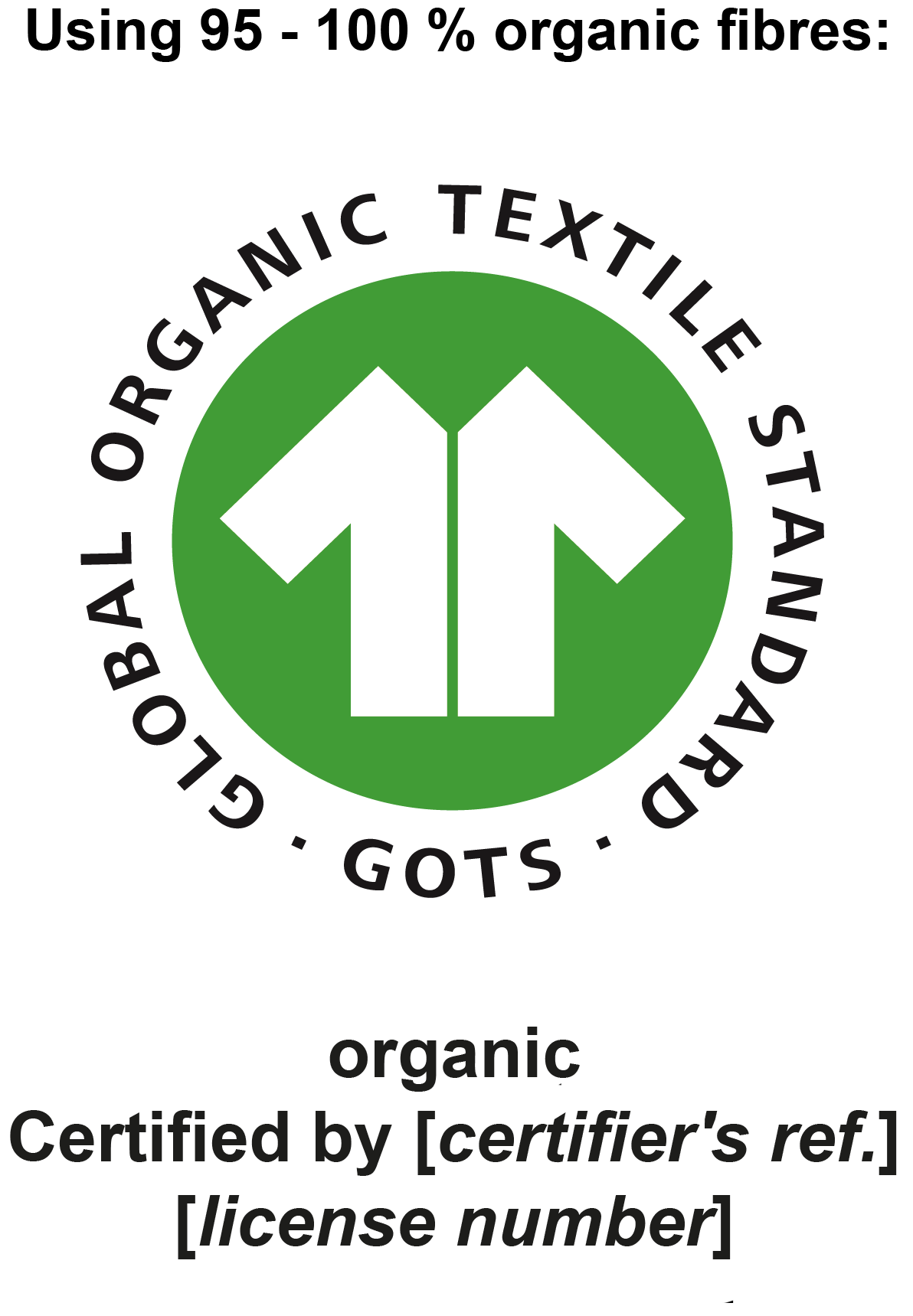
    GOTS Logo example organic

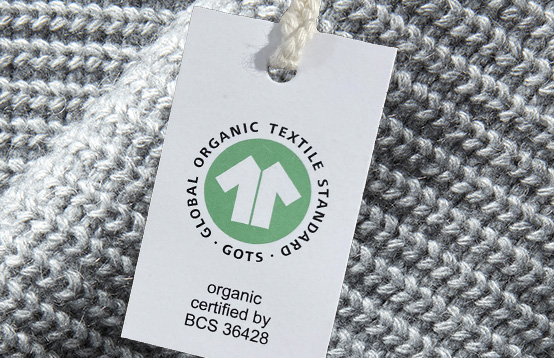
    Correct and complete GOTS labelling shows the trademark-registered GOTS logo (or the lettering ‘Global Organic Textile Standard’), the GOTS label grade (‘organic’ or ‘made with organic’), details of the certification body and the licence number and/or name of the certified entity. As retailers are not obliged to be certified themselves, the labelling may show the licence number and/or name of their supplier (trader, manufacturer) of the final product. Consumers can look up the data set of the certified entity by entering the licence number (or name), provided on the GOTS labelling in the ‘free text field’ of our certified suppliers database.

    Only correct GOTS labelling provides assurance to consumers that the final product is GOTS certified.

    It should be noted that products identified, advertised or offered for sale without this labelling, but with other references to GOTS (certification), may not indicate GOTS certification of the final product. The GOTS labelling conditions do not permit use of the GOTS label (or reference to GOTS certification) on the garment/final textile product, if the GOTS certification is merely valid for intermediate products/steps (such as yarn or fabric) only. It is a precondition for on-product label use that the whole value chain and the final product is certified. Claims on textile products, such as ‘this garment is made from GOTS certified cotton or yarn or fabric’, are claims made by the seller and are not verified or verifiable through the GOTS certification process.

  • Is GOTS a tiered standard?

    The Global Organic Textile Standard (GOTS) is not a tiered standard.  It does not have levels of compliance.  All certified entities are required to meet all requirements of the Standard.

  • How can a commercial buyer ensure that products purchased are actually GOTS certified?

    Companies permitted to market their textile products as GOTS certified will have received a GOTS Scope Certificate and can be requested to provide an (electronic) copy of their certification. This certificate will have been issued by a GOTS approved certifier and states that the company is GOTS certified. Hence, it is able to process/market the listed products (or product categories) under GOTS certification. However, this does not prove that all of GOTS certified entities‘ products are GOTS certified. In case of doubt about the authenticity of the Scope Certificate, buyers can check it within the certified suppliers database of certified companies and in last instance, the certification status may be confirmed by contacting the issuing approved certifier.

    In order to assure that a specific shipment of products received from a certified supplier is GOTS certified, the supplier can be requested to provide a 'Transaction Certificate' (TC), issued by the GOTS certifier of the supplier. The said file lists the specific products and shipment details, including the buyer`s name, address and caters to confirm the GOTS certification status. Commercial buyers may decide to make the issuance of TCs for each purchase of GOTS certified textile products a contractual condition to each supplier they want to work with in this field. In case of doubt about the authenticity of a TC, the buyer can request that the entity’s certifier verifies its validity.

  • Must GOTS certified products be certified at all stages of the supply chain?

    As a principle, all operators of the processing and manufacturing chain, as well as B2B traders, must be GOTS certified as a prerequisite that a final product can be sold, labelled or represented as GOTS certified. Details can be found under Who needs to be certified.

  • What kind of products can become GOTS certified?

    In principle, any organic textile product can be GOTS certified. Only complete/finished products can be certified and labelled with one of the two GOTS labels ('organic' or 'made with organic'). Textile fibre components of a consumer product, which is not normally classified as a textile fibre product (such as prams with textile fabrics, bassinets, car seats or furniture with textile fabric upholstery), may also be certified and labelled as a "Combined Product". It is not possible to certify and label a part or component of a product.

  • What are the product requirements with regard to fibre composition?

    A minimum of 70% of the fibre material used must be certified organic in order to achieve GOTS certification. The product may not contain any conventional fibres of the same organic raw material contained in the product (i.e., no blending), but may contain other fibres (natural or synthetic) not of organic origin. The GOTS label grade ‘made with organic’ requires a minimum of 70% certified organic fibres. The GOTS label grade ‘organic’ requires a minimum of 95% certified organic fibres.

  • What are the main product requirements with regard to (wet) processing and manufacturing?

    All chemical inputs (such as dyes, auxiliaries and process chemicals) are assessed and must meet basic requirements on toxicity and biodegradability/eliminability. The use of toxic heavy metals, formaldehyde, aromatic solvents and genetically modified organisms (GMO) is banned. There are also restrictions on the use of accessories. Raw materials, intermediates, final textile products and accessories must meet stringent limits regarding unwanted residues. Packaging material must not contain PVC.

  • Why does GOTS prohibit the use of auxiliaries that contain genetically modified organisms (GMO) or their enzymes?

    The question of whether enzymes derived from GMOs should be accepted under GOTS was addressed and extensively discussed when preparing GOTS Version 4.0. Finally, GOTS decided that the use of genetically modified organisms - including their enzymes - is incompatible with the production of textiles certified as organic or 'made with organic'. While GOTS acknowledges that there are applications based on GM technologies that result in a reduction of energy, as well as water use and replace the chemicals used in some conventional textile processes, this is only one side of the coin.

    Many organisations and individuals have severe concerns about the use of genetic engineering, given the problems that have already arisen, the environmental risks and uncertainty surrounding their continued use, as well as ethical reservations and concerns about business principles. 'GMO-free' remains a principle of any credible organic agricultural and food standard, as reflected by all organic regulations worldwide.

    There is hardly any popular and worldwide applied textile standard besides GOTS addressing this issue. Many consumers have deep concerns about genetically modified organisms. GOTS acknowledges these concerns and thinks that they should be respected by offering certified organic textiles produced without the use of GM technology. Consumers should be given a choice to decide for themselves whether they wish to purchase a textile product made without using any GM derived inputs.

    In this sense, GOTS encourages the enzyme industry to respect these concerns about a controversial and much-discussed technology and to continue to offer natural enzymes for use in the textile industry.

  • Why does GOTS prohibit the use of auxiliaries that are based on functional nano-particles?

    Auxiliaries based on nano-particles of an extremely small size are one of several novel materials about which science does not yet have sufficient information about their long term effects. In the textile sector, auxiliaries based on nano silver particles are already applied in finishing (for their anti-microbial properties). Yet basic questions that have not yet been answered are: where do/can nano particles go to and what (long term) effects might they cause (on the human body and the environment)? Similarly, nano particles penetrate organs and tissues in the body that larger particles cannot reach, such as the brain, lungs, and testes. In the case of nano-silver and other finishing applications that are sprayed with pesticides and can have potentially devastating effects, we clearly need to act with caution. Accordingly, we have concluded that a general prohibition is scientifically justifiable within a standard such as GOTS that is committed to promoting environmental sustainability and human health.

Labelling and Logo Use

  • What prerequisites do retailers need to fulfil to be allowed to use the GOTS logo or any reference to GOTS certification on/with regard to certified final textiles?

    Before offering for sale and selling GOTS certified and labelled final products to the end consumer, the retailer must ensure that:

    • Its supplier holds a valid Scope Certificate, issued by an approved certifier and covering the goods sold:
      • If the retailer also has B2B trade activity (e.g. sales to other retailers) and/or (re)packs or (re)labels the GOTS goods, the retailer has to be certified. The same conditions for the certification of traders, as detailed below, apply.
      • If the retailer does not have a B2B trade activity and does not (re)pack or (re)label the GOTS goods, the retailer is exempt from the certification obligation.

    • The product is properly labelled (GOTS logo), said labelling contains a reference (name and/or reference number) to the manufacturer, as well as to its approved certifier and has been released by this approved certifier. The retailer is strongly advised to (contractually) request a “Transaction Certificate“ issued by the respective GOTS approved certifier, from his supplier for each shipment, as proof that the goods are properly GOTS certified.
  • What prerequisites do traders need to fulfil to be allowed to use the GOTS logo or any reference to GOTS certification on/with regard to certified (semi-) finished textiles?

    Before selling GOTS certified and labelled (semi-)finished products within the textile supply chain, the trader must ensure that:

    • The trader holds a valid Scope Certificate from an approved certifier. This requirement is valid for traders with a B2B trade activity (e.g. for importers, exporters and wholesalers). Only traders, who have an annual turnover of less than 20.000€ in GOTS goods and who do not (re)pack or (re)label them are exempt from the certification obligation. However, they must register with an approved certifier and must inform them immediately if their annual turnover from GOTS goods exceeds 20.000€.
    • The intended use of the GOTS logo or other reference has been permitted by the approved certifier.
    • Full records are maintained for each client that receives GOTS goods, including lists of all products, their specifications and quantities.
  • What prerequisites do processors and manufacturers need to fulfil to be allowed to use the GOTS logo or any reference to GOTS certification on certified intermediate textiles?

    Before selling GOTS certified and labelled (intermediate) textiles within the supply chain, processors and manufacturers must ensure that:

    • They hold a valid Scope Certificate from an approved certifier covering such goods.
    • The intended use of the GOTS logo, or other reference to GOTS certification, has been permitted by the approved certifier. 
    • Maintain full records of each client that receives GOTS goods, including lists of all products, their specifications, and quantities.
  • How can brand holders and retailers that are not obliged to participate in the certification system apply the GOTS logo on their textiles?

    Brand holders or retailers that are not obliged to participate in the GOTS certification system can ask their certified supplier to apply the GOTS logo in a prescibed manner (art work) provided all GOTS labelling requirements, as stipulated in the GOTS Labelling Guide, are met. In this case the labelling would be under the supervision of the supplier’s GOTS approved certifier and the supplier's reference (e.g. license number) would appear on the labelling. Alternatively, brand holders or retailers that are not obliged to participate in the GOTS certification system may apply for certification on a voluntary basis. In this case, they can apply the logo on their own under supervision of their GOTS certifier. Thus, their own reference (e.g. licence number) will appear on the labelling. Under all circumstances, only a GOTS certified entity may apply GOTS labelling to a product.

  • What do promotional traders have to consider when selling and/or printing on GOTS certified products?

    If GOTS certified final products are processed by adding prints, embroidery etc., the trader must be certified in order to be allowed to use GOTS labelling and/or any references to GOTS certification, otherwise the certified value chain would be interrupted. It is irrelevant whether the products are sold B2C or B2B or if some of the certified products are sold without any prints or embroidery. The GOTS organisation takes legal action against non-certified companies that, for example, print on certified textiles and sell the products as GOTS certified.

  • What is the cost for the use of the GOTS logo?

    In addition to the certification cost, each certified entity must pay a licence fee for each calendar year. The licence fee is set at 150 Euro for each facility that is inspected for the certified entity. The fee is collected by the approved certifier and, then, transferred to the GOTS organisation. This fee also covers the right to use the GOTS logo on certified textile products in conjunction with the licencing and application criteria, as detailed in the Licensing and Labelling Guide. For the time being, there is no extra (turnover based) fee. Traders, brand holders and/or retailers or traders that are exempt from the GOTS certification requirement do not need to pay a licence fee.

  • Can the GOTS logo be used for the purpose of writing an article?

    Stakeholders, NGOs, media and other parties that distribute independent (consumer or industry) information can use the GOTS logo in conjunction with accurate statements about GOTS and its quality assurance system. They can obtain a high resolution logo by sending a request indicating the purpose of the logo use by email to .

Sanctions and Suspensions

  • Why does Global Standard need to sanction Certification Bodies?

    The Global Organic Textile Standard (GOTS) is considered a gold standard for the processing of organic textiles. It has earned a reputation of being fair and dependable throughout the value chain. Consumers, retailers, brands and operators all depend on the certification system to have the highest integrity. There are situations where the integrity may be compromised, and that is when, as the operating unit of GOTS, Global Standard gGmbH has the responsibility of protecting the sanctity of the Standard and its certification system. Sanctions are one option in such cases.

    Global Standard does not impose Certification Body (CB) sanctions directly in most cases. Instead, these are imposed by the respective Accreditation Bodies (ABs).

    In exceptional circumstances, Global Standard may take direct action against CBs. One such action is the suspension of CB activities. The primary objective of suspending a CB is to retain the integrity of the Standard system and the goods certified under it. This remains Global Standard's primary aim so that all organisations that use and rely on GOTS can continue to do so.

    A suspension is not a withdrawal, but rather an opportunity for the CB to demonstrate positive intent to address any issues within their systems.

  • Are suspensions conditional and are they temporary?

    All suspensions are conditional. The conditions of a suspension are shared with the concerned organisation.

    Suspensions are also time-bound and can be withdrawn, subject to demonstration of improvement of performance. Should the sanctioned organisation not show adequate improvement, as determined by their supervisory bodies (Accreditation Bodies supervise Certification Bodies, and Certification Bodies supervise Certified Entities), their approval could be withdrawn.

  • What are the effects of sanctions on the value chain?

    Sanctions have a direct effect on the value chain and Supply Chain Operators (SCOs), and SCOs should prepare for increased scrutiny and compliance checks during this period of suspension.

    One of the most common sanctions is the suspension of privileges related to the issuance of Transaction Certificates (TCs). Delays in issuing TCs may affect the value chain, but it is important to know that GOTS permits the issuance of TCs up to six months from the date of shipment. Should it be necessary, Global Standard will provide concessions to this policy requirement in order to assist SCOs.

    The GOTS Policy for Issuance of Transaction Certificates also requires TCs to be issued within 14 days of applications by SCOs. In the case of a suspension, CB’s cannot issue TCs until the suspension has been lifted by Global Standard.

    While any inconvenience caused to the value chain is regrettable, what remains crucial is for Global Standard to ensure that confidence in GOTS is not damaged.

  • How will sanctions affect the sale of GOTS goods with labelling?

    The suspension of a CB does not impact ready GOTS Goods that have been labelled properly. GOTS Goods with correct and complete labelling may be sold in B2B and B2C markets.

    In cases where the value chain is impacted, buyers should cooperate and coordinate with their respective suppliers to ensure all requirements are fulfilled. Buyers’ due diligence regarding the purchase and receipt of GOTS Goods shall not be waived.

  • Can Supply Chain Operators migrate to another Certification Body if their current Certification Body is sanctioned?

    Although a suspension is temporary and includes a deadline for the CB to rectify the situation, Supply Chain Operators may decide to migrate to another GOTS-approved Certification Body to ensure continuity in certification services based on their risk assessment. In these cases, Global Standard has a policy in place that can be downloaded here: Policy for Change or Migration of Certifier.

    A CE wishing to move to another CB should also note that this can take some time, and all issues should be discussed with their newly chosen CB.

  • If I already paid my GOTS annual fee for the year, do I have to pay again if I change to a new Certification Body in the same calendar year?

    No. GOTS annual fees are only paid by a CE once in a calendar year, so a CE does not need to pay the annual fee again if it chooses to migrate to another CB.

  • What should our supply chain do with upcoming shipments (not yet shipped) when their Certification Body has been suspended from issuing Transaction Certificates? Should they stop/postpone them?

    While Global Standard does not typically provide commentary on business matters, we believe that operations should continue as usual. However, both buyers and sellers should be aware that TCs may experience delays as a result of this suspension. Each Supply Chain Operator should take decisions based on their own risk assessment.

  • What happens to the orders that are currently in transit (e.g., on cargo ships)? Will our suppliers need a “grace period” for these Transaction Certificates?

    It is important to note that suspensions are conditional and the terms of suspension need to be looked at before any general answer can be given to such a question. 

    However, since Transaction Certificate applications in the GOTS system can be made by sellers to their CBs until six months of shipments, we would typically not anticipate issues arising in this regard - because suspensions are not expected to continue for such a timeline.

    Nevertheless, should it be found necessary, GOTS will make concessions in the six-month rule so that TCs may be issued after the CB is reinstated.

  • What will happen to our Scope Certificate issued by suspended Certification Bodies?

    Scope Certificates (SCs) issued by the Certification Body remain valid until the date stated on the SC.

    The companies that have a valid SC are visible on the public GOTS Certified Suppliers Database.

  • What happens if the Scope Certificate expires while the suspension is in effect? Can the suspended Certification Body extend the validity of existing certification?

    Renewals of existing Scope Certificates may be permitted, depending on the conditions of CB suspension. Supply Chain Operators should therefore be aware of the restrictions placed on CBs during the suspension and take decisions based on these.

  • Are Transaction Certificates that were issued by a suspended Certification Body still valid up to the suspension date?

    Yes, the Transaction Certificates that were issued up until the date the suspension went into effect (suspension date) remain valid unless they have been specifically withdrawn by the suspended Certification Body.

  • Why can Global Standard not independently issue the pending GOTS Transaction Certificates (TCs) since all are GOTS TCs?

    The three pillars of the certification system operate with clear separation of responsibilities among its actors:

    1. Rules: Standard setters develop rules through multi-stakeholder approaches.
    2. Independent, third-party Certification Bodies (CB) audit and certify companies and issue Scope Certificates and TCs.
    3. Independent Accreditation Bodies supervise the operations of CBs, providing an independent review that is ingrained within the GOTS system.

    Global Standard, as a standard setter, cannot issue TCs; that responsibility remains the exclusive domain of the CBs.

  • Can my new Certification Body (CB) directly accept previous Transaction Certificate applications from the suspended CB that were submitted before the suspension date?

    You will have to reapply for Transaction Certificates (TCs) with your new CB following their procedures. TCs will be issued by the new CB following their own procedures and based on their risk assessment and due diligence.

  • Who will issue Transaction Certificates for the period between the suspension and the time at which a Certified Entity is transferred to a new Certification Body?

    Should the Certified Entity choose to move to a new Certification Body (CB), the new CB will issue all the Transaction Certificates, based on its risk assessment and due diligence.

  • I applied for my Transaction Certificates from the suspended Certification Body before the suspension date. What happens to those requests?

    Should you continue with the suspended Certification Body (CB) as your CB, your requests will be taken up once the suspension is lifted. If you decide to migrate to another CB, you will have to reapply for Transaction Certificates (TCs) with your newly chosen CB. The new CB is permitted to issue TCs for the mentioned period based on their risk assessment and due diligence.

  • Does Global Standard impose certification bans on Certified Entities?

    In cases where gross violations of the GOTS rules or procedures or of the use of GOTS Signs are found, or where there is a serious breach of Global Standard principles, the Global Standard management may decide, on its own findings or based on a recommendation by a CB, to impose a ban on certification for a CE.

    Such a certification ban may be instituted for a period of 24 months or less.

    The GOTS Complaints Handling Procedure provides details of sanctions against CEs and CBs. Certification bans are listed prominently on the GOTS website here.

Miscellaneous

  • Is it possible to use 'bamboo' in GOTS certified textiles?

    Typically, the bamboo fibre used in industrial textile production is not natural bamboo (bast or fibre separated from the stem), but where cellulose from the bamboo plant has been regenerated through a viscose/rayon process and can, therefore, not be considered as a natural or even organic fibre, even if the bamboo plant was originally certified as organic, in the field.

    As a consequence, regenerated bamboo fibres can only be used as an allowed additional fibre upto 10% in GOTS certified textiles, so long as the bamboo is non-GMO. 

    These rules also apply to all regenerated fibres derived from any raw material source (e.g. wood, cotton lints, soybean, milk).

    Users of bamboo (and other regenerated) fibres should also be aware of the legal labelling requirements in their sales markets. In the US, the FTC (Federal Trade Commission) has clarified that, if bamboo is produced through a rayon process, these fibres must be labelled as rayon and not as bamboo (see FTC article "How to avoid bamboozling your customers"). Equivalent labelling requirements also apply in the European Union.

    It is important to note here that bast bamboo fibre is practically never used in consumer products especially for  apparel / close to skin textiles.

  • How does GOTS provide the answer to Greenpeace's 'Detox' campaign challenge?

    GOTS already prohibits the "11 hazardous chemicals that should be eliminated", targeted in Greenpeace’s 'Detox' campaign! 

    The campaign has targeted global apparel manufacturers for their use of 11 hazardous chemicals and heavy metal categories, including alkylphenols, phthalates, brominated and chlorinated flame retardants, azo dyes, organotin compounds, perfluorinated chemicals, chlorobenzenes, chlorinated solvents, chlorophenols, short-chain chlorinated paraffins, as well as heavy metals including cadmium, lead, mercury and chromium.

    These compounds are known to be toxic, persistent, bio-accumulative, carcinogenic, mutagenic, reprotoxic, or hormone disruptors and their use poses risks for the environment and human health.

    The substances/substance groups highlighted in the campaign have always been prohibited for use in the processing/manufacturing of textile products certified to the Global Organic Textile Standard through the strict general requirements related to hazards and toxicity (GOTS chapter 2.3.2).

    In addition, GOTS chapter 2.3.1, "Prohibited and restricted inputs", explicitly lists those hazardous chemical inputs that are permitted for use in conventional textile processing but that are banned or restricted for environmental and/or toxicological reasons in all processing stages of GOTS goods.

    Solely for clarity, starting with GOTS Version 4.0, the Greenpeace campaign’s 11 input groups are all explicitly listed as prohibited.

    The range of substances banned by GOTS is even more extensive than the Greenpeace list

    table1

     GOTS quality assurance criteria state that:

    •  All chemical inputs (dyes and auxiliaries) used in the processing chain of GOTS certified textiles need to be approved by a GOTS approved certifier prior to their usage. The basis for their assessment is the Material Safety Data Sheet (MSDS) which must be compiled according to a recognised norm or directive. The approved certifiers require further sources of information in the assessment - including additional toxicological and environmental data for specific components of the auxiliary agents, test reports and an independent laboratory analysis. Hence, GOTS approved chemical inputs have all been screened in detail before textile processors permit their use. More information about the input review process and the approved certifiers. 
    • The trade names of all approved dyes and auxiliaries are compiled on "Positive Lists" that are available to all entities participating in the GOTS certification programme. Inputs not included on the Positive List are not allowed to be used.
    • As part of the annual on-site inspection that all businesses participating in the GOTS certification programme must undergo, the certifiers verify the use of compliant chemical inputs by examining the textile processors’ input recipes. Related GOTS control measures also include inventory checks of the chemical storage area(s), as well as the review of records and accounts for chemical inputs (invoices, delivery notes) to ensure that the declared and approved chemical inputs have been purchased in sufficient quantity to produce the given amount of GOTS Goods.
    • GOTS also requires testing of textile materials, intermediates and finished products in accordance with a risk assessment or, in the case of suspicion, that prohibited substances have been used. Since it is not affordable and reasonable to make testing of any prohibited substance part of the usual test protocol, GOTS (chapter 2.4.15) focuses the test protocol on prohibited substances which may well pose a valid risk for presence in allowed GOTS materials, chemical inputs, processes, finishing methods and storage of GOTS products and that are known to have a harmful effect on humans or the environment.
    • While any detection of prohibited substances at any level needs to be investigated for potential (intentional) use of the prohibited substance, (avoidable) contamination, or any other violation of GOTS criteria, the following limit values for intermediates and final products related to the Detox chemicals are outlined in GOTS chapter 2.4.15:

    GOTS limit values and test methods relevant to the Greenpeace Detox campaign

    table2

  • What is the difference between GOTS and OCS (Organic Content Standard of Textile Exchange) and of the related certification systems?

    GOTS is a comprehensive standard that makes a ‘full product claim’ that sets detailed environmental and social criteria throughout the entire textile supply chain.

    In contrast, OCS (Organic Content Standard; previously OE 100 and Blended Standards - issued by Textile Exchange) traces the organic fibre flow throughout the entire textile supply chain, allowing an organic ‘fibre claim’ in the final textile product, but without any requirement to meet environmental or social criteria in processing.

    Brands and retailers may use OCS as a stepping stone to GOTS (e.g. a certification to cover tracking and handling while supply chains organise themselves to comply with GOTS).

    Many companies in the supply chain choose to be certified to both standards - GOTS and OCS -, in order to better meet the needs of their customers. There may be cases in which a specific product cannot meet all demanding processing requirements of GOTS (eg: because not all dyestuffs and auxiliaries used comply with GOTS processing criteria or the minimum percentage of 70% organic fibres is not met). In that case, the product could still be certified to OCS, which allows verification and labelling for the organic fibre content. GOTS and OCS may, therefore, be seen as complementary rather than competing certification systems.

  • What is Shorn Wool?

    In GOTS, pesticide residue limits are listed specifically for “shorn wool.”

    It has come to our attention that there have been divergent interpretations and translations from the official English version, since the term “shorn wool” is not explicitly defined in the Standard. The German term “Schurwolle” is an accurate translation.

    “Shorn wool” in GOTS refers to virgin wool (new, non-recycled wool that has been sheared from living animals) as an input for spinning, thus the expectation is that it has been scoured/washed.

    See: 
    GOTS v7.0 (5.2.7.2)
    GOTS v7.0 (5.2.8.1)

Read more …Questions & Answers

Regenerative is Organic

Regenerative is Organic

by Jeffrey Thimm, GOTS Organic Production Specialist

As the importance of sustainability comes more into focus for the textile sector – whether for legal compliance or market demand by conscientious consumers – more concerted efforts are commendably being made by actors across the value chain to source fibres that are produced and processed in socially and ecologically responsible ways. Furthermore, the necessity of traceability to validate claims of sustainability has been well established. But with the plethora of voluntary sustainability standards emerging, it’s worth strengthening our conceptual frameworks and taking a closer look at what constitutes the lofty pursuit of “regenerative agriculture”.

REGENERATIVE AGRICULTURE IS NOT A NEW CONCEPT -
IT HAS BEEN A CENTRAL PILLAR OF SUSTAINABLE AGRICULTURE SYSTEMS ACROSS THE GLOBE AND HUMAN HISTORY, FOR WHICH STRATEGIES AND METHODS HAVE BEEN EVOLVING WITH THE DISTINCT AIM OF INCREASING SOIL FERTILITY AND FOOD SECURITY.

The specific practices differ depending on ecological and social context, but regenerative agriculture is united in its purpose – to reverse soil degradation, improve agroecological resilience, and sustainably provide food, fiber and fuel. Aside from repairing and revitalizing degraded landscapes, it is now additionally tasked with halting and reversing greenhouse gas emissions and increasing resilience to climate change.
Fortunately, the rising interest in regenerative agriculture has also been illuminating the central role of the farmer in our global economy, and how our sourcing practices impact the sustainability of the very foundations of society. It’s not just about textiles and fibers, it’s also about our posture towards ethical commerce and our willingness to pay a fair price – more than a living wage – to value the livelihoods and communities at the source of our supply chains.

WE CANNOT AFFORD TO PAY LESS THAN THEIR TRUE WORTH.
AND AFTER CENTURIES OF EXPLOITATION, IT IS NOW REQUIRED TO REINVEST IN REVITALIZING AGRICULTURE IF WE WANT TO BE SUSTAINABLE.

The established, internationally regulated voluntary sustainability standard that already embodies the principles and aims of regenerative agriculture is Organic/Bio/Öko. With origins dating back over a century in the western world (inspired and informed by traditions dating back millennia), the global movement now represented by the International Federation of Organic Agriculture Movements (IFOAM) has built upon shared values and learnings to develop an evolving codification of production, verification and marketing norms. The concept of regenerative is embedded in the philosophy and practice of organic, because organic farm management is designed to protect and nurture the land, animals, and the farmers we all depend upon. Furthermore, the transition phase from conventional to organic, in-conversion, is itself a period of intentional revitalization.
So, are regenerative and organic synonymous terms? Some say yes, but technically, no.
Organic is a legally protected term, with codified and regulated management practices that are designed to uphold ecological and social welfare. Organic agriculture also has a clearly defined set of required practices, as well as permitted non-toxic pesticides and climate-friendly fertilizers that have been scientifically demonstrated to increase yields and resilience over time; regenerative practices like crop rotations, mulching and minimizing soil disturbance are staples in organic farming.

Conversely, regenerative is not a protected term and is therefore vulnerable to greenwashing (read the fine print). Regenerative standards typically have a defined set of measurable outcomes relating to carbon sequestration in soils, and the good ones even require demonstrated progress towards set targets (something that organic regulations do not yet include), but some allow dubious methods with short-term gains but inadvertent long-term losses.


AS LEADERS IN THE TEXTILE SECTOR, A CRUCIAL QUESTION TO ASK YOURSELF IS HOW TO DIFFERENTIATE BETWEEN AUTHENTIC REGENERATIVE AGRICULTURE, AND MERE IMITATION.


I OFFER YOU THIS:
Do the ends justify the means?
If the goal is to regenerate, how can we condone practices that are not themselves socially and ecologically regenerative? Can we in good conscience continue using synthetic herbicides, pesticides, fertilizers and GMOs and call it regenerative when the science has shown that, although they may appear to increase carbon capture in the short-term, they simultaneously erode long-term production capacity and undermine the ability of an ecosystem to abate and adapt to climate change?
Do the means justify the ends?
Can we in good conscience dogmatically adhere to a prescribed set of conventionalized practices and models, even when the consequences are demonstrably toxic to people and planet? Can we continue sourcing and manufacturing using practices that optimize short-term profit but are known to undermine the sustainability of the entire enterprise?
Coherence of principles, actions and targets is paramount.

THE GOAL IS THE WAY - THE WAY IS THE GOAL.

Read more …Regenerative is Organic

Register attendance details for the GOTS UK Roundtable

Thank you for registering for the GOTS & Sustainable Fashion Week Reclaim Trust Conference and Roundtable on 25th September.

To confirm your place, please could you complete the following details:

GOTS UK Roundtable

Please enter your last name
Please enter a valid email
Please provide the name of your organisation
Invalid Input
We will provide a simple lunch and refreshments – organic as far as possible. Please note your requirements:
Dietary Requirements


Invalid Input

Travel Information 

The minibus will depart from Didcot railway station at 9:00 am. The shuttle will return to Didcot railway station by 17:45, leaving Sheepdrove at 16:30. A Taxi fare from Didcot to Sheepdrove is £55 and from Sheepdrove to Didcot is £55. 

If travelling by car, see directions to Sheepdrove Organic Farm Eco Conference Centre here. For SAT NAV/GOOGLE MAPS: You must enter 'Sheepdrove Road, Lambourn' which takes you to the bottom of Sheepdrove Road. And then follow the map provided in the directions here.

Please note your planned means of travel:

Invalid Input
The Sheepdrove Organic Farm Eco Conference Centre has step free access throughout. Please note any additional requirements you have:
Invalid Input

Shopfinder Submission Confirmation

Your email has been verified. Once an administrator approves your account, you will be notified by email, and you can login to the site.

Please visit the following links to inform yourself on the “Conditions for the use of GOTS signs”. The documents will explain the correct use of GOTS signs on products as well as in advertisements, catalogues, webpages, websites or other publications. 

Go to Shop-Finder

Read more …Shopfinder Submission Confirmation

Testimonials

Institutional and organisational Recognition for GOTS

GOTS is widely recognised by leading institutions, governments, NGOs, and international policy frameworks for its credibility, transparency, and impact. From public procurement policies to sustainability rankings, this recognition reflects our commitment to upholding the highest standards for environmental and social responsibility across the global textile sector.

Featured Recognition 

Organisation for Economic Co-operation and Development (OECD)

2025

The OECD Status Completed Standards Alignment Assessment states, “The Standard includes expectations related to all six steps of the OECD Garment Guidance, with a strong degree of alignment across many important elements of the due diligence process, including key concepts.”

(Source)

Government & Policy Recognition

  • United States Department of Agriculture (USDA)

    2011

    The USDA National Organic Program's (NOP) "Labeling of Textiles That Contain Organic Ingredients" policy memorandum explicitly recognises GOTS and its label grade 'organic:' "Textile products that are produced in accordance with the Global Organic Textile Standard (GOTS) may be sold as organic in the U.S." USDA clarifies that 'made with organic' is also a codified label grade and can only be used for textiles certified to NOP or GOTS.

    (Source) 

  • The European Parliament

    2013

    The European Parliament acknowledged GOTS in the “Resolution on the sustainability of the global cotton value chain” (2012/2841(RSP) as a multi-stakeholder initiative aimed at enhancing sustainability in the textile sector.

    (Source)

  • The German Federal Ministry for Economic Cooperation and Development (BMZ)

    2015

    The “Siegelklarheit” initiative by the German Federal Ministry for Economic Cooperation and Development (BMZ) evaluates sustainability labels. On this official platform, GOTS receives the highest rating in the textiles category—recognized as an “Excellent Choice” in the areas of credibility, environmental performance, and social responsibility.

    (Source)

  • United States Environmental Protection Agency (EPA)

    2024

    The EPA includes GOTS in its Recommendations of Specifications, Standards, and Ecolabels for Federal Purchasing so that GOTS-certified products are preferred in federal procurement processes.

    (Source)

  • Italy’s Green Public Procurement (GPP)

    2014

    GOTS is officially recognised in Italy’s Green Public Procurement (GPP) decree as an acceptable certification for textiles made with organic fibres. This development aligns with the European Union’s Directive 2014/24/EU, enabling public procurers to utilize voluntary sustainability standards in their specifications.

    (Source)

  • Grüner Knopf (Green Button)

    2024

    GOTS is recognised in Germany's Grüner Knopf (Green Button), a government-run certification for sustainable textiles, as one of the highest standards for ecological and social production.

    (Source)

Global IGOs & NGOs

  • United Nations Economic Commission for Europe (UNECE)

    2021

    UNECE highlights GOTS as a key certification for sustainability and traceability in textiles by including it as a key certification in its Sustainability Pledgeproject and sustainable textile guidelines.

    (Source)

  • Greenpeace

    2012 - 2013

    Greenpeace has recognised GOTS as a credible certification in its Global Textile Procurement Standard. Greenpeace Germany published a guidebook in October 2013 titled “Textile Labels under the Magnifying Glass.” This guide compares eco-labels and emphasises GOTS’ high rating.

    (Source)

  • The United Nation's International Trade Centre's (ITC)

    2010

    The United Nation's International Trade Centre's (ITC) "Standards Map," a valuable tool for the textile industry and those involved in public procurement, has strict rules for inclusion such as public criteria or the existence of an implementation system. GOTS was one of the first voluntary standard organisations and the first textile organization to enter the data base. 

    (Source)

Consumer Media & Guides

  • Utopia.de

    2020

    Utopia Germany recommends GOTS, “By purchasing a GOTS-certified product, you are choosing an independently tested and environmentally friendly textile.”

    (Source)

  • Fashion Revolution

    2023

    GOTS is listed in Fashion Revolution's consumer education resources as “the worldwide leading textile processing standard for organic fibres, including ecological and social criteria, backed up by independent certification of the entire textile supply chain."

    (Source)

  • Labelinfo.ch

    The Swiss website Labelinfo endorses GOTS, “Excellent, due to credibility, transparency, independence, and sustainability.”

    (Source)

Global Networks & Memberships

  • International Federation of Organic Agriculture Movements (IFOAM)

    Ongoing

    IFOAM endorses GOTS as the minimum reference for organic textile processing, including the recommendation to governments not to start development of redundant standards and regulations but to make references to GOTS as processing standard for organic labelled textiles.

    (Source)

  • ISEAL Alliance

    2023

    As an ISEAL Community Member, GOTS joins a number of well-respected sustainability systems that are driving positive social and environmental change across multiple sectors.

    (Source)

Read more …Testimonials

Thank You for Your Interest in the #BehindtheSeams Campaign: Your Contribution Matters

Thank you for expressing your interest in the "Behind the Seams" campaign by GOTS. We're thrilled to have you on board as we work together to showcase the value of an equitable, responsible and trustworthy textile industry.

Your commitment to this initiative is greatly appreciated. Our team is excited to collaborate with you to bring consumers closer to the organisations that exemplify best practices in the textile industry. Your contribution will play a vital role in educating consumers about sustainable textile practices and unveiling the hidden history behind their favourite textile products.


What to Expect Next:

Our team is currently reviewing all the submitted interest forms. We will be in touch with you shortly with an invitation to the prep-webinar, to provide more details about your involvement and to discuss the next steps. Your insights and creativity will help shape the campaign's success, and we're looking forward to working closely with you.

In the meantime, if you have any questions or ideas that you'd like to share, please don't hesitate to reach out to us at .

Once again, thank you for your dedication to promoting a more sustainable and responsible textile industry. Together, we can make a significant impact and inspire positive change.

Best regards,

GOTS


TW

  • Philosophy

  • Key Features

  • How to get certified

  • How to Label

  • Downloads

  • Questions & Answers

Juliane Ziegler - GOTS Representative in Germany, Austria & Switzerland

Reach out to the GOTS Representative in your region

GOTS has appointed several representatives who operate in a global network to promote GOTS in their respective regions and around the world.

Find the Representative in your region

Featured on the GOTS Youtube Channel:

Faces from Field to Fashion: Meet Maridos, Sample Master Cutter at the GOTS certified Armstrong Knitting Mills in Tirupur India. Click below to hear about his story and how he benefits from working in a GOTS certified company.

Follow Us on LinkedIn & Instagram

  • Slider 01

  • Slider 02

  • Slider 03

  • Slider 04

  • Slide 5

Read more …TW

Wir freuen uns sehr über Ihr Interesse ein Teil der Kampagne #NahtlosNachhaltig zu werden.

Was folgt in den kommenden Wochen?

Unser Team sammelt momentan alle eingereichten Registrierungen und wird sich bald mit einer Einladung zum Vorbereitungs-Webinar am 30.10 melden. In diesem werden alle Einzelheiten zur Kampagne besprochen, sowie die nächsten Schritte erklärt. Falls Sie Interesse bekundet haben sich aktiv in die Kampagne einzubringen, werden wir uns zeitnah direkt bei Ihnen melden.

Falls in der Zwischenzeit Fragen oder Ideen aufkommen: Wir stehen jederzeit via  zur Verfügung. 

Nochmal ein großes “Dankeschön!” für Ihr Interesse.

Mit besten Grüßen,

GOTS Marketing

Wir freuen uns sehr über Ihr Interesse ein Teil von #NahtlosNachhaltig zu werden.

Was folgt in den kommenden Wochen?

Unser Team sammelt momentan alle eingereichten Registrierungen und wird sich bald mit einer Einladung zum Vorbereitungs-Webinar am 25.10 melden. In diesem werden alle Einzelheiten zur Kampagne besprochen, sowie die nächsten Schritte erklärt. 

Falls in der Zwischenzeit Fragen oder Ideen aufkommen: Wir stehen jederzeit via  zur Verfügung. 

Nochmal ein großes “Dankeschön!” für Ihr Interesse.

Mit besten Grüßen,

GOTS Marketing

Your attendance details for the GOTS UK Roundtable

Thank you for confirming your attendance details for the Reclaim Trust UK Roundtable at Sheepdrove Organic Farm Eco-Conference Center Thursday September 25th, 2025. We will get back to you shortly to confirm your registration.

If you have any questions regarding the roundtable please don't hesitate to reach out to .


Reclaim Trust Exploring how textile standards play a key role in empowering customers 
 
 
Minibus shuttle available from Didcot Station for participants coming by train  
 
Date: Thursday 25th September 2025
Time: 10.30am to 4.30pm – organic refreshments and lunch will be provided

Your interest for the GOTS UK Roundtable

Thank you for registering your interest for the Reclaim Trust UK Roundtable at Sheepdrove Organic Farm Eco-Conference Center Thursday September 25th, 2025. We will get back to you shortly to confirm your registration.

To learn more about GOTS or access additional materials, we invite you to browse our website. If you have any questions regarding the roundtable please don't hesitate to reach out to us at .


Reclaim Trust Exploring how textile standards play a key role in empowering customers 
 
 
Minibus shuttle available from Didcot Station for participants coming by train  
 
Date: Thursday 25th September 2025
Time: 10.30am to 4.30pm – organic refreshments and lunch will be provided

Your interest in the GOTS Roundtable Lisbon, Portugal

Thank you for registering your interest for the

GOTS ROUNDTABLE | LISBON, PORTUGAL 

Monday, 13 October 2025
9:00 AM – 2:00 PM


We will contact you shortly to confirm your attendance. 


To learn more about GOTS or access additional materials, we invite you to browse our website.

If you have any questions regarding the roundtable please don't hesitate to reach out to us at 


Best regards!

Juliane Ziegler
GOTS Representative to Global Brands

Ryan Sitler
GOTS Representative in North America